Understanding the impact of weather on your roofing system is essential for keeping your home safe and sound. You rely on your roof to protect you from rain, snow, wind, and sun. But do you know how different weather conditions affect it? This article will break down how seasonal changes impact your roof's longevity, the best materials for your climate, and key maintenance tasks to keep it strong. Plus, you’ll learn what to do when extreme weather hits. Let’s dive into the world of roofing!
Key Insights
- Weather can wear down your roof over time.
- Heavy rain can cause leaks and damage.
- Snow and ice can be heavy and risky for your roof.
- Wind can lift shingles and cause loose areas.
- Regular checks help your roof last longer.
Understanding the Impact of Weather on Your Roofing System
How Different Weather Conditions Affect Your Roof
Your roof is like a shield, protecting your home from the elements. But just like any shield, it can wear down over time. Rain, snow, wind, and sun all play a big part in how long your roof lasts.
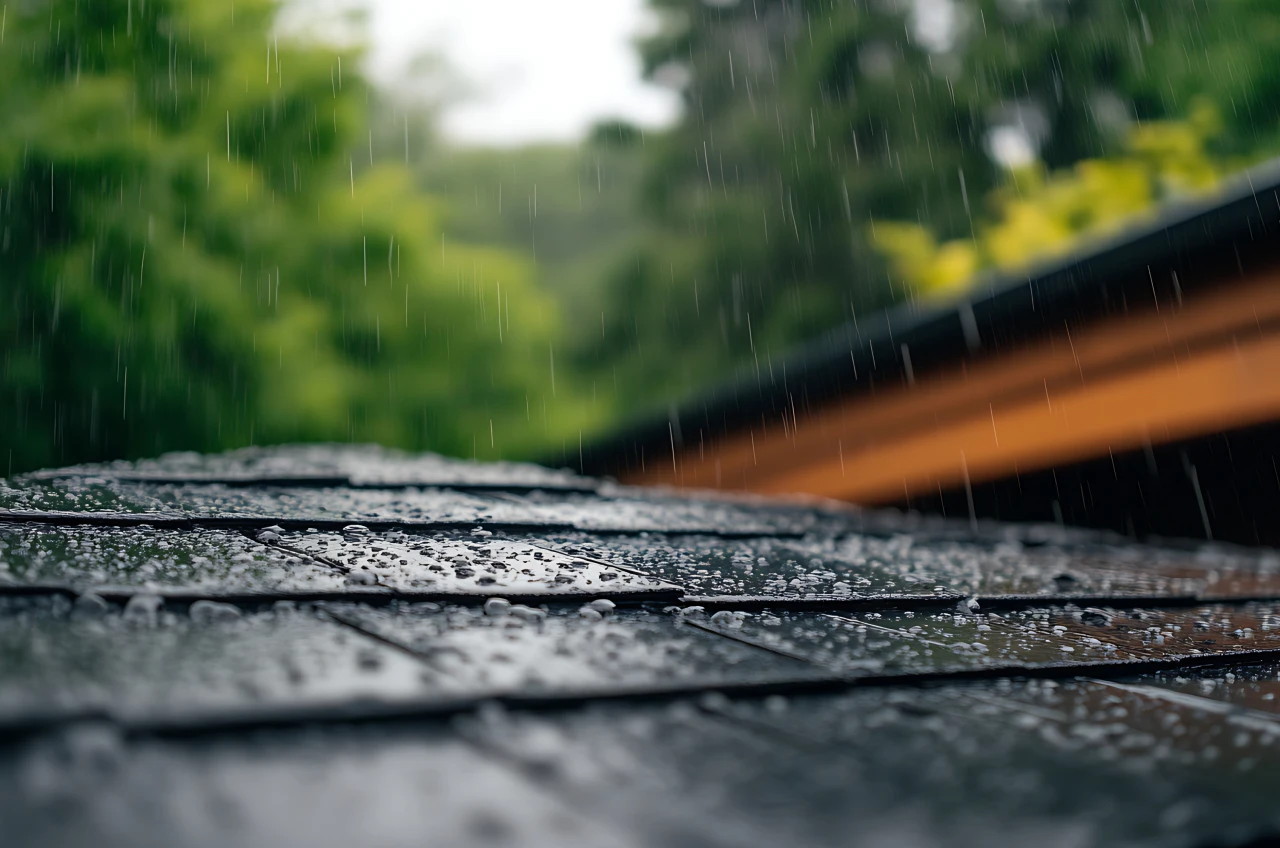
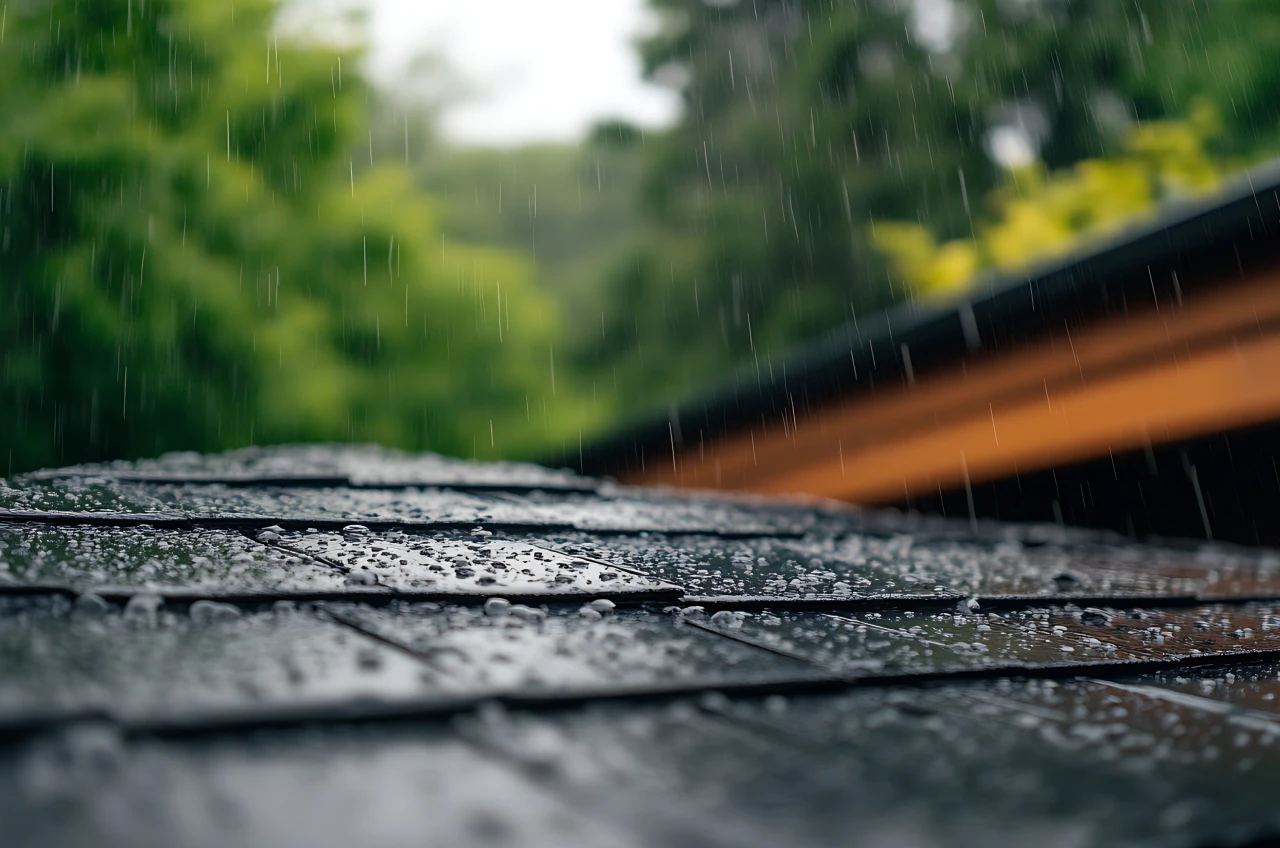
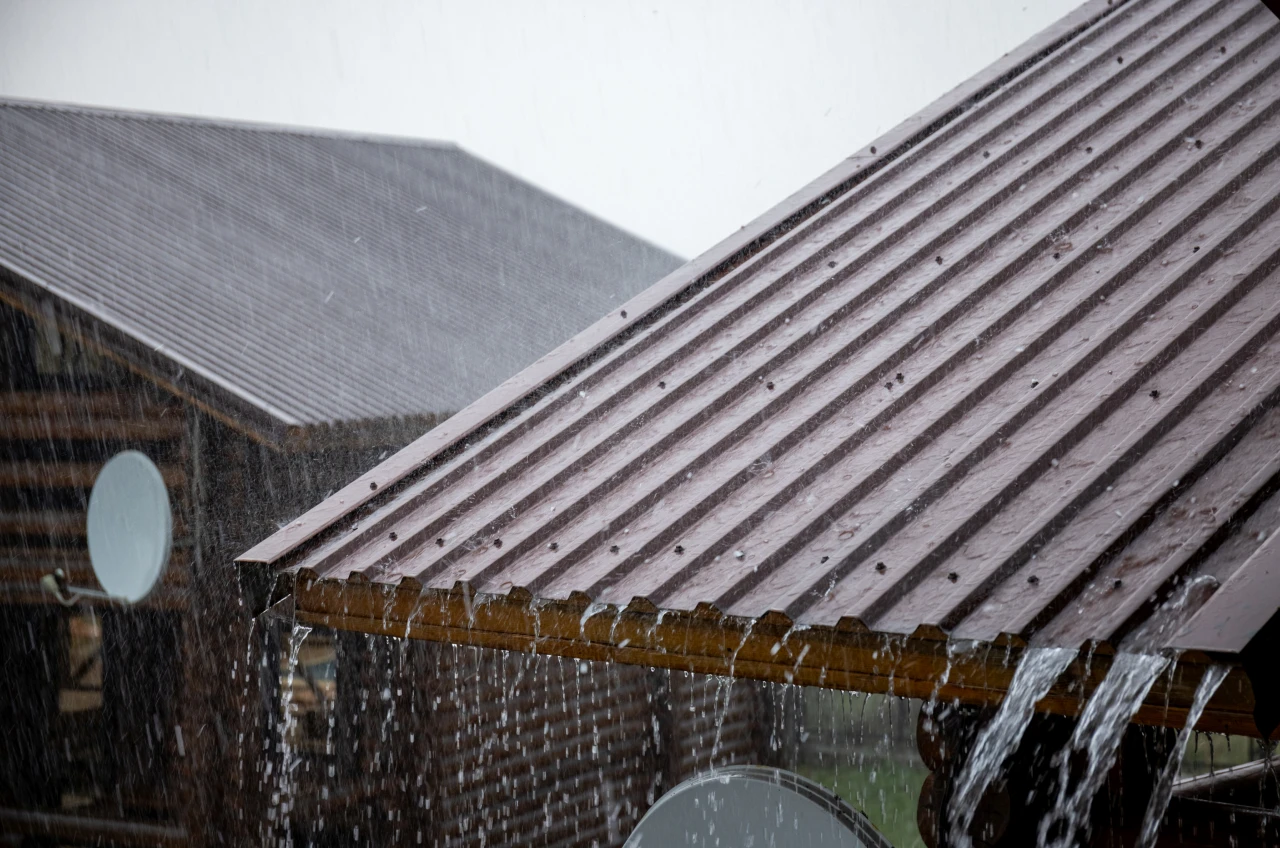
- Rain can cause leaks if your roof has cracks or gaps. Over time, water can seep in and damage your home.
- Snow adds weight to your roof. If too much builds up, it can lead to sagging or even collapse.
- Wind can lift shingles, causing them to break or fly away. This leaves your roof exposed to more damage.
- Sunlight can fade colors and dry out materials, making them brittle.
 #image_title
The Role of Roofing Materials in Weather Resistance
Not all roofing materials are created equal. Some are better suited for certain weather conditions than others. Here’s a quick look at how different materials hold up against the weather:
| Material | Rain Resistance | Snow Resistance | Wind Resistance | Sun Resistance |
|---|---|---|---|---|
| Asphalt Shingles | Good | Fair | Moderate | Fair |
| Metal Roofing | Excellent | Good | Excellent | Good |
| Tile Roofing | Good | Excellent | Good | Excellent |
| Wood Shakes | Fair | Fair | Moderate | Fair |
Choosing the right material means thinking about your local weather. If you live in a rainy area, metal roofing might be your best bet. On the other hand, if you see lots of sun, tile could be the way to go.
Choosing the Right Materials for Your Climate
When picking roofing materials, consider your climate. Here are some tips:
- Hot Climates: Look for materials that reflect sunlight, like metal or tile.
- Cold Climates: Choose materials that can handle snow, such as tile or asphalt shingles.
- Windy Areas: Go for materials like metal, which can withstand strong winds.
By matching your roofing materials to your local weather, you can help your roof last longer and stay strong.
Seasonal Roofing Maintenance for Longevity
Essential Maintenance Tasks for Different Seasons
Taking care of your roof is like giving it a spa day every season. Each time the weather changes, your roof needs some TLC. Here’s what you should do:
- Spring: Clear away debris like leaves and branches. Check for any loose shingles or leaks. This is the time to repair any damage from winter.
- Summer: Inspect for signs of mold or mildew. Clean those gutters to keep everything flowing smoothly. This helps prevent water damage during summer storms.
- Fall: It’s time to rake those leaves! Make sure your roof is clear and check for any cracks. This is also a great time to check your insulation.
- Winter: Look for ice dams. These can cause serious damage if not dealt with. Keep your roof clear of snow to prevent heavy loads.
 #image_title
How Seasonal Changes Affect Roof Durability
Weather has a big say in how long your roof lasts. Hot sun can dry out shingles, while cold can make them brittle. Rain and snow can lead to leaks if your roof isn't in tip-top shape. Here’s a quick look at how each season plays a role:
| Season | Effect on Roof |
|---|---|
| Spring | Moisture can cause leaks. |
| Summer | Heat can crack shingles. |
| Fall | Leaves can clog gutters. |
| Winter | Snow and ice can cause stress. |
Creating a Seasonal Maintenance Checklist
To keep your roof in great shape, a checklist can be your best friend. Here’s a simple one to follow:
- Inspect shingles for damage.
- Clean gutters to prevent blockages.
- Check for leaks in the attic.
- Trim overhanging branches to avoid damage.
- Look for mold or mildew growth.
This checklist helps you stay on top of your roof’s needs, making it easier to spot problems before they grow.

Preparing for Extreme Weather Events
Recognizing Signs of Weather-Related Roof Damage
When the sky darkens and the wind starts to howl, your roof takes the brunt of it all. Pay attention! Here are some signs that your roof might be in trouble:
- Missing Shingles: If you see shingles gone with the wind, your roof is exposed.
- Leaks: Water stains on your ceiling? That's a red flag.
- Sagging: A sagging roof can mean trouble. It’s like a warning light on your car.
- Granules in Gutters: If your gutters are full of shingle granules, your roof is wearing out.
Keep an eye out for these signs, especially after a storm. Your roof is your home’s first line of defense!
Steps to Fortify Your Roofing System Against Storms
Now that you know what to look for, let’s talk about how to protect your roof. Here are some smart steps you can take:
- Regular Inspections: Check your roof at least twice a year. Look for damage, wear, and tear.
- Trim Trees: Keep branches away from your roof. They can scratch and even break shingles during storms.
- Upgrade Materials: Consider stronger roofing materials. They can stand up to harsh weather better.
- Seal Vulnerable Areas: Pay attention to chimneys, vents, and skylights. Make sure they are sealed tightly.
- Install a Roof Underlayment: This extra layer can help protect against leaks.
Here’s a simple table to summarize these steps:
| Step | Description |
|---|---|
| Regular Inspections | Check for damage twice a year |
| Trim Trees | Keep branches away from the roof |
| Upgrade Materials | Use stronger materials for better protection |
| Seal Vulnerable Areas | Ensure chimneys and vents are sealed tight |
| Install Roof Underlayment | Adds extra protection against leaks |
Planning for Future Weather Challenges
Weather can be unpredictable. It’s like a box of chocolates—you never know what you’re gonna get! Here’s how to prepare for what’s next:
- Stay Informed: Follow weather updates in your area. Apps can give you real-time alerts.
- Create an Emergency Plan: Have a plan for your family and home in case of severe weather.
- Invest in Insurance: Check your homeowner’s insurance. Make sure it covers storm damage.
- Build a Support Network: Talk to your neighbors. Share tips and help each other prepare.
By taking these steps, you’re not just waiting for the next storm; you’re ready to tackle it head-on!
Conclusion
In conclusion, understanding the impact of weather on your roofing system is crucial for maintaining the safety and integrity of your home. Remember, your roof is your first line of defense against the elements, and regular maintenance paired with the right materials can extend its life significantly. Whether it’s heavy rain, snow, strong winds, or blazing sun, each season brings its own challenges, but with a little TLC and vigilance, you can keep those troubles at bay.
So, take a proactive approach—inspect your roof, choose the right materials for your climate, and follow seasonal maintenance tasks. And when those storms roll in, you’ll be ready to face them like a champ.
For more tips and tricks on roofing and home maintenance, don’t hesitate to check out more articles at liderroofing.com. Your home deserves the best care!
Frequently Asked Questions
How does rain affect my roofing system?
Rain can cause leaks and water damage. Your roof needs to divert water away to stay strong.
Can snow damage my roof?
Yes! Heavy snow can add extra weight. It may cause your roof to sag or even collapse if too much builds up.
What about strong winds?
Strong winds can lift shingles and create gaps. This can lead to leaks and more damage later.
Does sunlight affect my roof?
Absolutely! Sunlight can dry out shingles. This can make them brittle, leading to cracks and leaks.
How can I protect my roof from weather damage?
Regular inspections help. Clean gutters, fix small issues, and consider a protective coating for added strength.
Ready to start?
Get a free estimate from the team that wrote this article.
Licensed & Insured · Serving MetroWest Massachusetts.