Why gutter installation is essential for a well-maintained home
You want to stop water damage and keep your roof, foundation, siding, windows, and paint safe. Gutters cut basement floods and boost your home’s value. Choose the right, seamless gutters and keep them clean. This article shows easy maintenance tips, smart drainage solutions, and how gutters protect your home outside and down below.
Key Takeaway
- You protect your home's foundation from water.
- Your roof and fascia avoid rot and damage.
- You prevent basement leaks and flooding.
- Your siding and landscaping stay safe.
- You cut down on mold, pests, and repair costs.
Why gutter installation is essential for a well-maintained home
Gutters are your house's first line of defense when skies open up. Without them, rain runs straight off the roof and down your walls, which can ruin paint, rot siding, and eat away at trim. By adding gutters, you stop that direct flow and protect the parts of your home that face the weather every day.
Think of gutters like a brimmed hat for your house: they catch the water and send it away from where it will do the most harm. That keeps your foundation dry, your landscaping intact, and your siding looking good. A good gutter system also makes routine maintenance easier — fewer scraped paint jobs, fewer torn shrubs, and fewer headaches after a storm.
You probably don’t want surprise bills from repairs you could have avoided. With properly installed gutters you cut down on costly fixes like replacing rotted fascia or repairing water-damaged interior walls. Install them right, and you give your home long-term value and peace of mind.
Prevent water damage with gutters
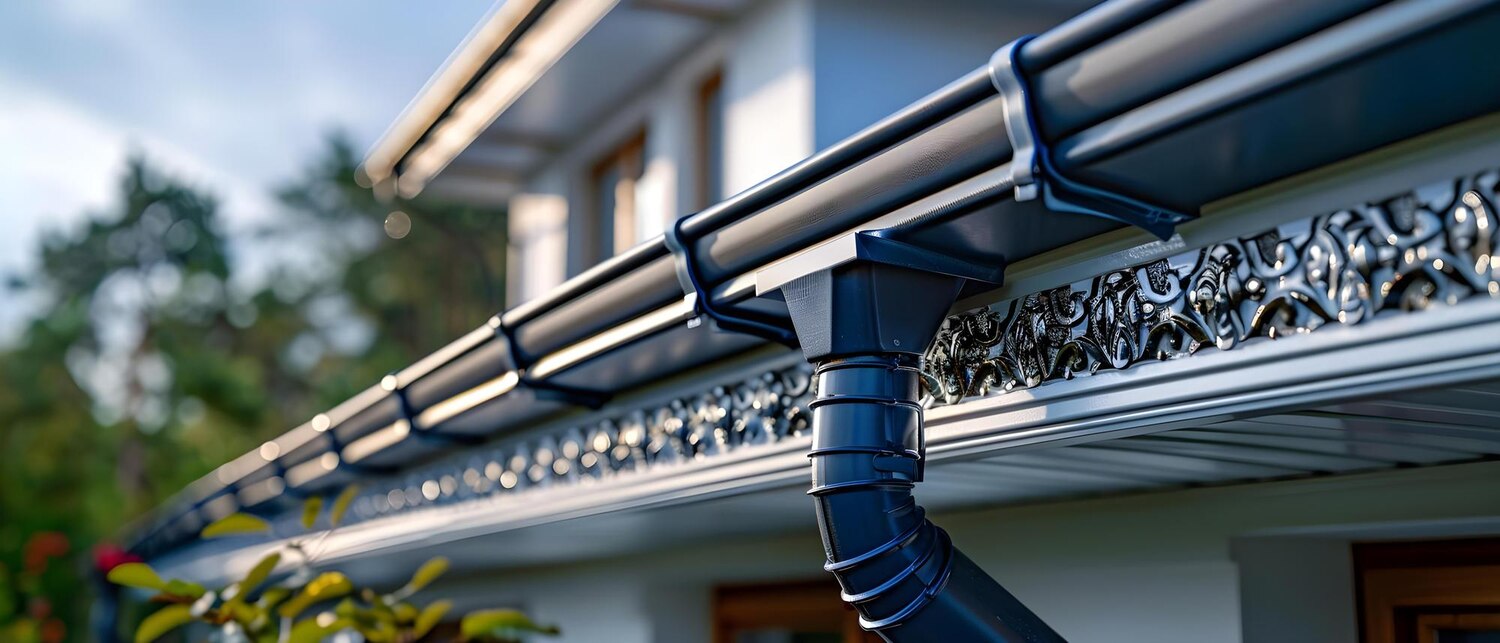
When rain hits the roof it needs a clear path away from your house. Gutters collect that water and guide it to downspouts so it won’t pour down the siding or pool around windows. This keeps water stains, mold, and rotten wood from showing up where you don’t want them.
If you’ve ever seen a streak of black or felt dampness near a window, that’s a small sign of water damage. Gutters reduce those risks by keeping the flow controlled. Add splash blocks or extensions at the end of downspouts and you’ll push water well past vulnerable areas.
Reduce basement flooding with gutters
Basement floods often start at the surface. If rain soaks the soil next to your foundation, that water looks for a way in. Gutters move roof runoff away so the ground at your foundation stays drier. That lowers pressure on basement walls and cuts the chance of seepage.
Pair gutters with simple fixes — check downspout placement, add extenders, or slope soil away from the house. Small steps like these keep your basement dry. Gutters do the heavy lifting; they’re the quiet guards against the slow creep of water below grade.
Rain gutter system for roof protection
A working rain gutter system protects shingles and roof edges by stopping water from pooling at the eaves. Standing water accelerates wear and can lead to rot or ice dams in winter. With gutters in place, water drains safely, and your roof lasts longer with fewer emergency repairs.
Protect your siding, windows, and paint
Your siding fights the weather every day. When gutters overflow or drip at the eaves, water runs down and soaks the walls. That wet cycle leads to rot, mold, and warped panels. Act early to stop small stains from turning into major repairs.
Windows are weak spots. Water that runs off the roof can pool under window sills and eat at the frames and caulk. You’ll see fogged glass, sticky sashes, or wood that crumbles when you touch it. A clean, well-placed gutter system keeps water away so your windows last longer and work better.
Paint is your house’s first defense and first impression. Constant splash and streaks make paint peel and fade fast. Gutters reduce that constant wear, so your paint job stays bright and protective. That saves you money and keeps your home looking sharp.
Increase home value with gutters
Why gutter installation is essential for a well-maintained home becomes clear at resale. Buyers look for signs you cared for the house: straight gutters, no water stains, and a dry basement. Those simple details can move an offer faster and sometimes raise the sale price.
Think of gutters as inexpensive insurance that improves curb appeal. Clean gutters mean no ugly streaks on siding, fewer repairs to mention in disclosures, and a smoother sale. I’ve seen a neighbor sell faster simply because the exterior looked well cared for — gutters included.
Protect foundation with gutters
Water pooling at the base of your house is a silent threat. When rain hits bare soil near the foundation, it can cause erosion, settling, and even foundation cracks. Gutters and downspouts move that water away so the soil stays stable and your foundation stays solid.
Run downspouts several feet away from the house and check them after storms. When gutters clog, water spills over and targets the foundation again. Regular cleaning and simple extensions stop costly foundation fixes and keep your basement dry.
Gutter installation benefits for exterior care
A good gutter system is like a raincoat for your home: it protects siding, windows, paint, and foundation by channeling water away, preventing stains, rot, and leaks. Properly sized gutters, clean downspouts, and secure fasteners give long-lasting protection, cut repair costs, and keep the exterior looking tidy.

Choose the right gutters and keep them clean
Picking the right gutters starts with thinking about how water moves around your house. Ask yourself, "Why gutter installation is essential for a well-maintained home" — because gutters act like a raincoat for your foundation, carrying water away before it pools and causes rot, mold, or cracked concrete. Choose a size and shape that match your roof pitch and local storms; bigger storms need bigger gutters and more downspouts.
Material matters. Aluminum is light and rust-resistant, steel is strong but can rust, and copper looks great and lasts decades but costs more. Match material to your budget and your house style. Also think about color and finish — gutters are visible, so pick something that blends with your siding and trim.
Cleaning is part of the bargain. Gutters full of leaves and gunk can overflow and damage fascia, paint, and landscaping. Set a schedule, check after storms, and use simple tools or leaf guards if you want to cut down on chores. A little upkeep now saves big headaches later.
Seamless gutter installation advantages
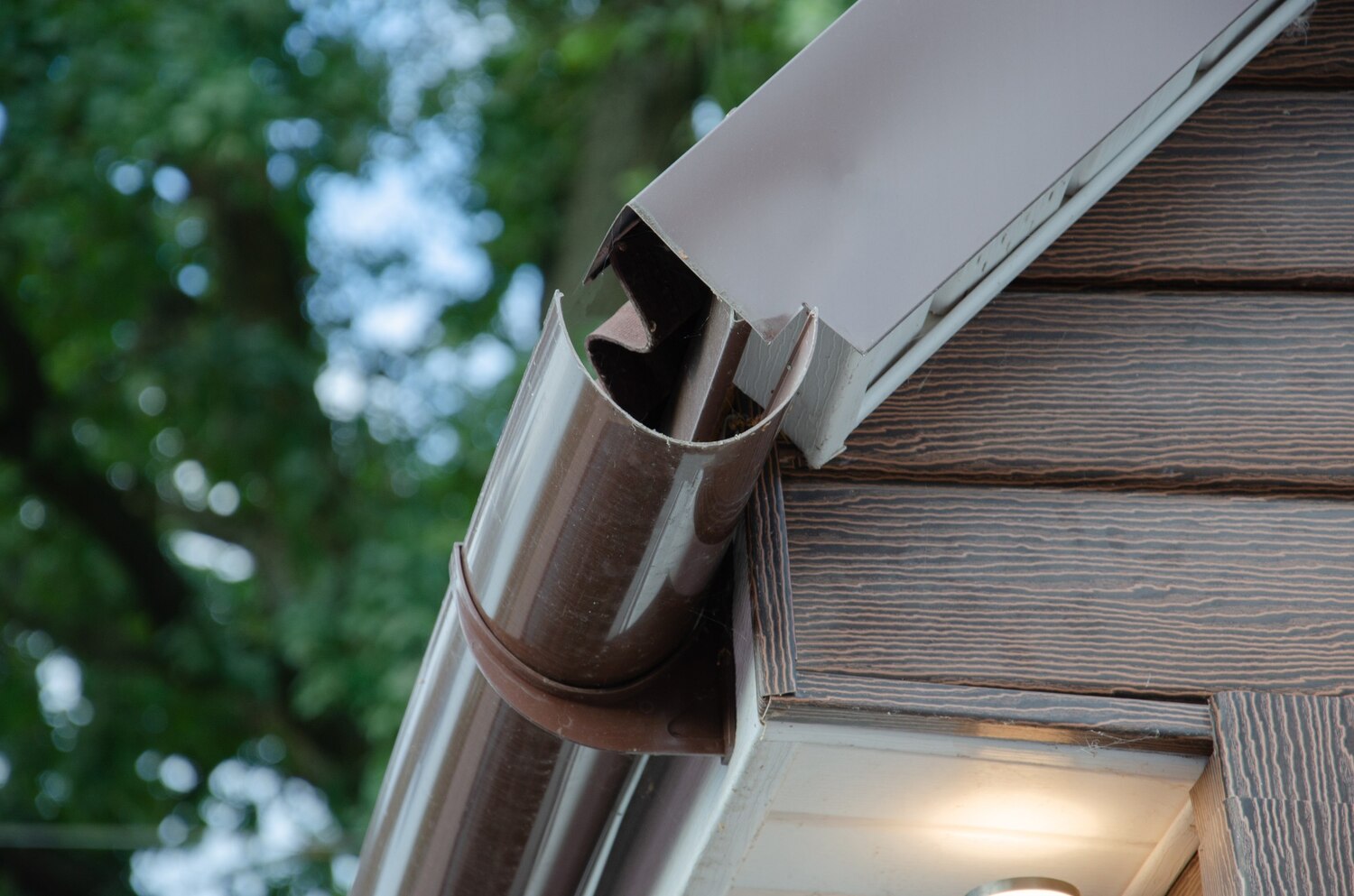
Seamless gutters are made in long runs, so you get fewer joints along the roofline. That means fewer leaks and less chance for debris to get stuck at seams. For you, that translates to less maintenance and fewer surprise repairs, especially after heavy wind or ice.
A big plus is the clean look. Seamless gutters sit flush against your roofline and come in many colors, so they can match your home better than sectional gutters. If you like tidy curb appeal and less fuss, seamless might be the smart pick.
| Feature | Seamless Gutters | Sectional Gutters |
|---|---|---|
| Joints | Few — lowers leaks | Multiple joints, higher leak risk |
| Maintenance | Lower | Higher, more frequent repairs |
| Installation | On-site formed | Pre-cut sections, easier DIY |
| Cost | Higher upfront | Lower upfront |
Gutter maintenance and cleaning tips
You can keep gutters working with a simple routine. Check them at least twice a year — in fall and spring — and right after big storms. Use a sturdy ladder, gloves, and scoop out debris by hand or with a small trowel. Flush the gutters and downspouts with a hose to find and clear hidden clogs. If you’re uncomfortable on a ladder, hire a pro; your safety matters.
- Wear gloves and eye protection
- Use a sturdy ladder and have a spotter
- Scoop debris, then flush with a hose
- Check for sags, loose hangers, and leaks
- Consider leaf guards for heavy foliage
Do a quick visual check after each cleaning. Look for rust, loose brackets, or paint peeling — small fixes now stop bigger problems later. If downspouts still clog, you may need a plumber’s snake or professional help.
Proper gutter drainage solutions
Good drainage keeps water away from your foundation and landscaping. Extend downspouts at least 3–6 feet from the house with elbows or splash blocks, use downspout extensions or underground drains if your yard slopes toward the house, and add rain barrels to capture runoff for watering. Think of it as giving rain a clear path to leave your property — simple moves that protect your home.
Why gutter installation is essential for a well-maintained home: long-term savings
Proper gutter installation and upkeep pay off over time. Avoiding one major foundation repair, roof replacement, or basement remediation often covers the cost of a high-quality gutter system. Regular cleaning and timely fixes extend the life of your roof, siding, and paint — and keep insurance claims and resale headaches to a minimum.
Conclusion
You’ve seen why gutters are more than trim — they’re your home’s first line of defense. Install the right seamless gutters, keep them clean, and you stop water from wrecking your roof, siding, windows, and foundation. Small actions — like adding downspout extensions, flushing clogs, and checking hangers — pay off big. Simple maintenance cuts mold, basement flooding, and costly repairs. Think of gutters as a raincoat for your house: cheap protection now, expensive fixes avoided later.
Want more tips and real-world fixes? Read more at / and keep your home dry and in great shape.
Frequently Asked Questions
Q: Why gutter installation is essential for a well-maintained home? A: It directs rain away from your roof, siding, and foundation so you avoid rot, leaks, and big repair bills.
Q: How do gutters protect my home's foundation? A: They stop water from pooling near your base, reducing soil erosion and the chance of foundation cracks.
Q: Can gutters prevent roof and siding damage? A: Yes. They channel water off your roof and away from walls, cutting down on mold, stains, and wood rot.
Q: Will gutters help stop basement flooding? A: They send rain away from your house, lowering the chance of water seeping into the basement.
Q: How often should you clean and maintain gutters? A: Check them at least twice a year — more often if you have trees or after big storms.
Ready to start?
Get a free estimate from the team that wrote this article.
Licensed & Insured · Serving MetroWest Massachusetts.