Updating your home's exterior with modern siding options
Updating your home's exterior with modern siding options puts you in charge of curb appeal and long-term value. This guide covers durable choices like fiber cement and composite, vinyl trends and maintenance tips, and how insulated siding saves energy while you understand R-value and rebates. Explore sustainable materials, smart colors, and textures to harmonize your roofing, windows, and gutters, along with simple installation and flashing tips for low maintenance results.
Key Takeaway
- You can boost curb appeal with modern siding.
- Choose siding that lasts and requires little upkeep.
- Insulated siding can lower energy bills.
- Vinyl, fiber cement, and metal offer different looks and price points.
- Hire professionals for proper installation, fit, and warranty.
Choose durable modern siding materials
You want a siding that withstands weather, stays fresh, and lasts without breaking your budget. Durable modern siding delivers this plus easier maintenance and better energy efficiency. Expect fewer paint touch-ups and less worry about hail or rain with the right material. Think of it as a long-term investment that pays off in curb appeal and peace of mind.
When shopping, ask about fire resistance, moisture tolerance, and UV fade resistance. Some options resist color fading, keeping your home looking newer longer. Also look for easy cleaning—no constant mold scrubbing. A good choice blends modern style with practical strength for beauty and low upkeep.
Start with a plan: choose materials that fit your climate, budget, and how long you plan to stay. If you’re selling soon, you might favor a high-appearance, low-maintenance option. If you’re staying, invest in lasting durability and better insulation. The goal is an exterior that handles weather, saves money, and looks sharp.
Updating your home's exterior with modern siding options in practice
Upgrading siding is smart when wear shows. Modern siding options can transform your home’s look and value, offering wood-like beauty with less upkeep. In rainy areas, choose materials with tight seams and strong moisture resistance; in sunny climates, pick colors and finishes that resist fading. Siding types come in panels, shakes, or sheets, allowing a customized look. You can mix textures for depth or keep a clean, contemporary vibe. Expect quicker installations and less yard mess than older methods. Always verify color warranties to maintain the vibe for years.
Fiber cement siding benefits
Fiber cement blends durability with a natural look. It resists rot, insects, and fire, and handles moisture well without warping like wood. The panels install with solid fasteners for a long-lasting finish. It can mimic wood or stucco with lower upkeep, and color is embedded in the material to reduce fading. Although the upfront cost is higher, fiber cement often yields a longer life and fewer repairs, which can balance the math over time.
Follow vinyl siding trends and costs
Vinyl siding is a practical, budget-friendly exterior option available in many colors, textures, and styles. When upgrading, consider how the finish reads from the street and how you’ll maintain it. Vinyl can boost curb appeal, improve energy efficiency, and reduce maintenance compared with wood.
With vinyl, you’ll typically get panels that snap together rather than needing annual painting. Textures range from woodgrain for warmth to smooth for a modern look. Measure walls carefully to account for windows, doors, and corners so installation goes smoothly. In storm-prone or sun-intense areas, ask about thicker, impact-resistant options and UV protection. Premium textures may raise the price, but a solid look remains attainable.
Long-term costs matter: a good install with proper flashing and ventilation helps prevent moisture problems and lengthens your investment’s life. Seek a contractor with a clear warranty and solid references.
Vinyl siding trends
Trends favor realistic textures and a broad color range. Horizontal planks stay classic, but mixing profiles—such as shingle accents on gables or accent bands—adds character. Insulated vinyl siding adds a foam layer for better comfort and reduced drafts. Matte and satin finishes hide dirt and resist fading better than high-gloss finishes. Colors evolve from timeless whites and grays to bold accents on shutters or trim, paired with roof color and stonework for cohesion. Durability features include impact resistance, fade resistance, and warranties of 20 years. Hidden-fastener systems offer a cleaner look, and updating gutters or window wraps can enhance the refreshed feel.
Siding installation cost estimate
Costs vary, but installation is typically priced per square foot, including materials and labor. A common range is about $4 to $12 per sq ft for basic vinyl, with insulated options higher. Total cost depends on square footage, number of windows/doors, and tricky details. Get a detailed estimate that breaks down materials, labor, old siding removal, and disposal.
For accuracy, have a contractor measure your home and assess the current siding. Two-story houses with many windows or complex corners increase time and cost. You can save with standard profiles and colors, but premium textures or insulated siding will cost more. Ensure the quote covers flashing, ventilation, and corner trims to avoid surprise charges. Compare at least three estimates, focusing on line items, timeline, and warranty. Ask about seasonal pricing and bundles (like new gutters or window wraps) to maximize value.
Make energy-efficient siding upgrades
Upgrading siding boosts home comfort and reduces energy bills. Energy efficiency starts outside: insulated siding or proper weather barriers help keep heat in during winter and out in summer, reducing furnace and A/C load and drafts around doors and windows. This upgrade also protects against moisture and pests, helping walls stay stronger.
Choosing the right siding is easier when you know your goals. For best insulation, look for built-in foam or rigid insulation. For low maintenance, pick fade- and stain-resistant materials. If you want quieter living, select siding that dampens outside noise. Combine benefits to fit your budget and climate. Updating your home’s exterior with modern siding options can change daily living for the better.
Start by assessing your current setup: note gaps around corners, outlets, and windows, and any moisture signs behind siding. List your goals—better insulation, easier upkeep, or more curb appeal—and compare products and prices with confidence.
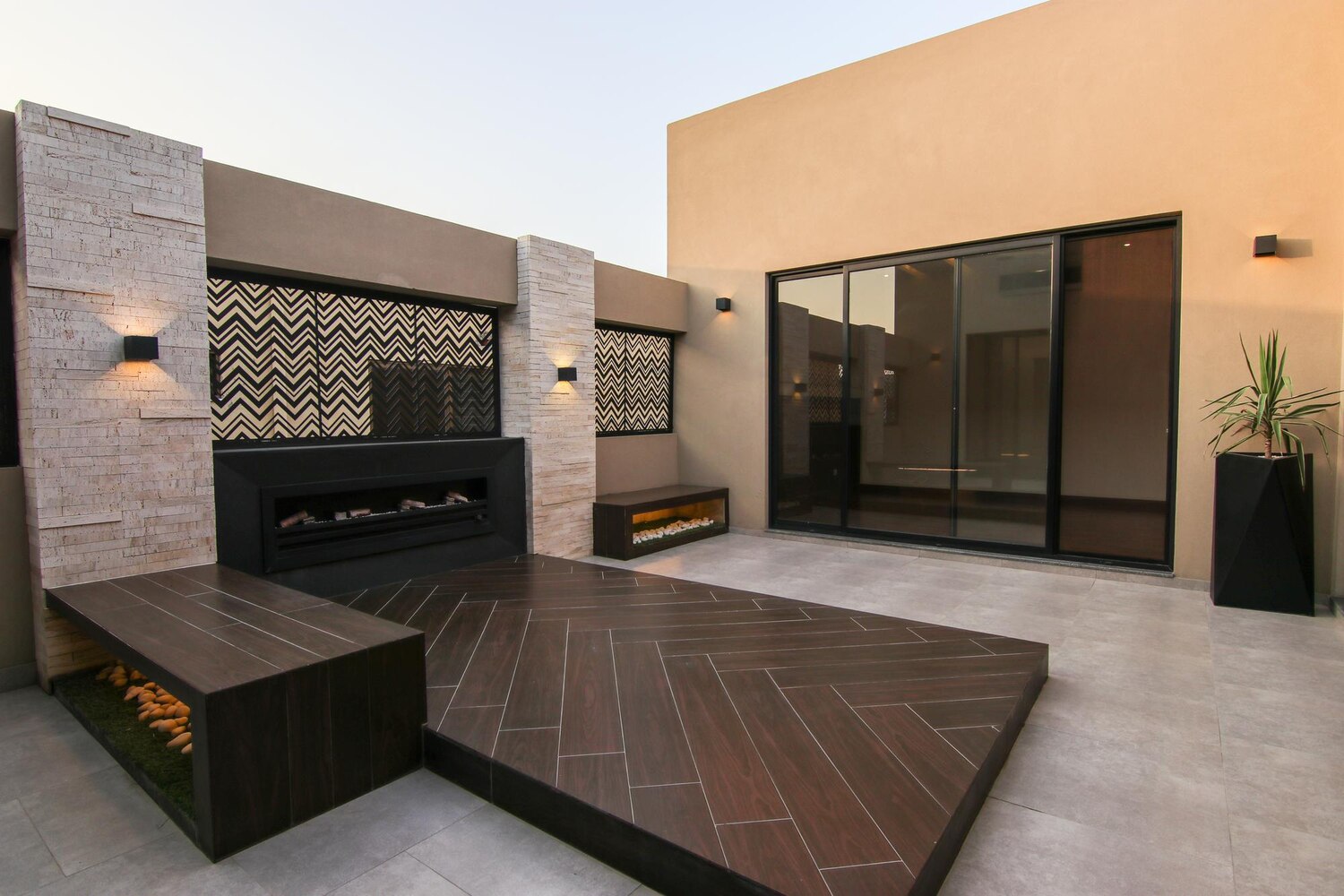
How insulated siding saves energy
Insulated siding adds a thermal layer to your exterior, reducing heat flow in both directions and easing the load on your climate control systems. It can also improve sound insulation. Although the upfront cost is higher, long-term savings can be substantial. Insulated siding minimizes thermal bridging, reducing temperature swings inside. For older homes, it can markedly improve comfort without major remodels.
Pair insulated siding with proper door/window sealing and a well-insulated attic for maximum savings. Think of it as layering a coat on the whole house.
R-values and siding explained
R-value measures resistance to heat flow. Higher values mean better insulation. When comparing siding, consider the total system R-value, as the insulating layer behind the siding contributes to overall performance. The right combination lowers drafts and heating/cooling costs, especially in extreme climates. Treat R-value as a thermal shield that works best when you also upgrade attic insulation and window seals.
Savings examples and rebates
- A typical insulated siding upgrade can lower annual energy costs, with larger savings in colder climates. Rebates and tax credits may reduce upfront costs.
- Local rebates and utility incentives are common. Check with a contractor or local government to see available programs, including bundles with windows or insulation.
| Factor | Typical impact | | Winter heating | Lower bills due to reduced heat loss | | Summer cooling | Lower bills due to reduced heat gain | | Comfort | Fewer drafts; more even temperatures | | Maintenance | Some insulated sidings resist fading and warping |
When reviewing quotes, ask how the installed system’s R-value contributes to your home’s overall energy rating and how the siding, attic, and seals work together.
Pick sustainable siding materials for longevity
Sustainable siding protects your home, reduces environmental impact, and lowers long-term costs. These options offer long lifespans and lower maintenance, helping you avoid frequent repaints and replacements. Choose materials aligned with climate and budget, prioritizing recycled content, renewables, or responsibly sourced resources. A durable, efficient siding choice lowers future hassles as your family grows.
Key considerations:
- Look for recycled content, low-VOC finishes, and responsibly sourced materials.
- Prioritize long lifespans to minimize waste and ongoing costs.
- Favor installation methods suitable for your climate and ease of maintenance.
Composite siding materials and recycled options
Composite siding blends resin with wood fibers or other fillers to mimic wood with enhanced durability. Recycled options use post-consumer or post-industrial waste to create sturdy, low-maintenance products. Expect less painting and fewer repairs, which suits busy lives.
When choosing composite or recycled siding, check resin content, warranty length, and color stability. Factory-coloring can reduce staining; some require resealing after years. Longer lifespans and lower upkeep often justify the higher initial price. Look for proven performance in your climate.
- Look for warranties that cover staining and fading.
- Check recycled content and durability claims.
- Ask about color options and sun resistance.

Low-maintenance exterior cladding facts
Low-maintenance cladding saves time and effort. Materials such as vinyl, fiber cement, and some engineered woods resist rot, pests, and moisture better than plain wood, reducing painting, sealing, or staining needs. Installation quality matters as much as material choice for long-term performance.
- Low-maintenance cladding means fewer ladder trips for yearly touch-ups.
- Some materials offer built-in protection against fading and staining.
- Professional installation helps ensure lasting performance.
Choosing low-impact cladding
Low-impact cladding considers how a product is made, transported, and disposed of. Favor recycled content, reduced manufacturing emissions, and end-of-life recyclability. Verify suppliers use responsible forestry or minimal processing that minimizes waste. Your choice supports a cleaner planet while updating your walls.
- Seek third-party sustainability certifications.
- Favor local or regional manufacturers to cut transport emissions.
- Choose products designed for easy recycling or disposal at end of life.
Use siding color and texture ideas for curb appeal
Color and texture define your home’s first impression. Bold color can alter perceived size; lighter siding with a dark roof brightens, while darker siding with a light roof creates contrast. Texture adds depth from the street and changes with the sun, giving your home a dynamic feel.
- Start with a neutral base and a bold front door for classic appeal.
- Consider two-tone schemes: lighter body with darker trim and a contrasting door.
- Mix textures carefully (e.g., horizontal planks with a board-and-batten accent) to add depth without clutter.
- Test swatches in natural light at different times of day to ensure colors age well and resist fading.
Contemporary home siding designs
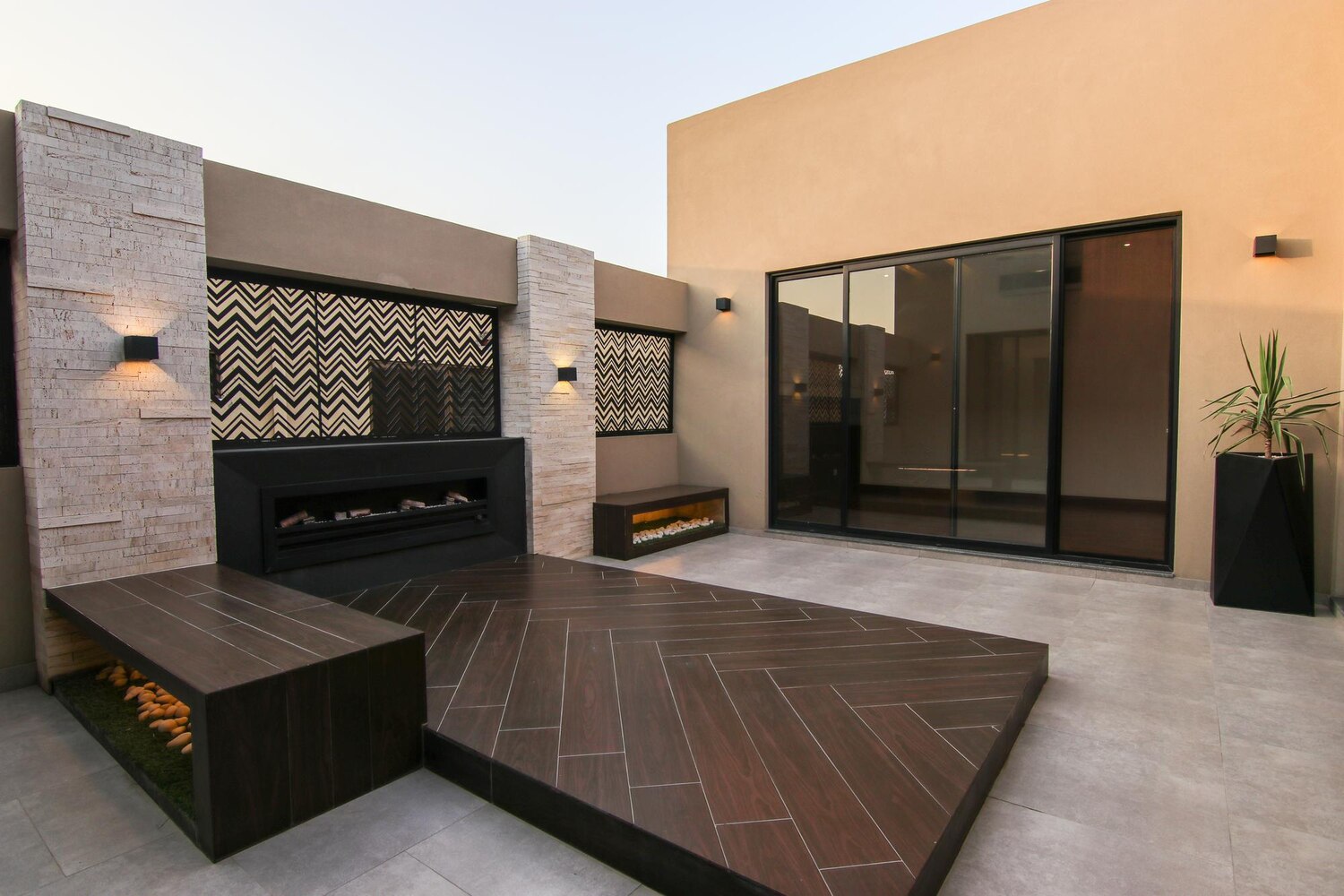
Contemporary designs emphasize clean lines, flat or gently contoured panels, and restrained color palettes. A low-sheen or matte finish reduces glare. A wide plank look creates a strong horizontal rhythm. Thoughtful material mixing—primary siding color with contrasting trim and a bold door—adds character without overwhelming the yard.
Engineered wood, fiber cement, and high-quality vinyl fit modern schemes and perform well across climates, reducing repaint frequency while preserving a crisp look.
Siding color and texture ideas
Texture can transform a plain wall into architectural interest. Subtle wood grain on one side adds warmth, while keeping other areas smooth for a polished finish. If you want texture with low upkeep, consider fiber cement with shallow wood-grain texture or treated engineered wood.
Color ideas that age gracefully include soft gray with white trim, or warm beige with charcoal accents. For a bold look, navy or olive siding with bright white trim and a pop of color on the door can be striking. Balance multiple colors with one dominant, one secondary, and a small accent.
Consider surroundings: light siding can highlight greenery, while a busy yard may benefit from a restrained palette. The goal is harmony with the landscape.
Mixing trim, windows, and paint
Mix trims and window frames with your siding to create defined edges and rhythm. Lighter trim around windows and doors helps them stand out; a darker window frame adds depth. Keep window trim consistent in major groups to maintain a clean look.
- Choose a dominant siding color, a secondary trim color, and an accent door color.
- Match window surround color to the trim for consistency.
- Use a bold door color as a focal point, kept within the same color family as the trim.
For quick reference, a simple color guidance table can help you plan cohesive combinations. A thoughtful mix makes the home feel intentionally designed rather than patched together.
Coordinate siding with roofing, windows, gutters, and painting
Plan siding to work with the rest of your exterior system. Treat the house as a whole, ensuring moisture tolerance and expansion rates align so joints stay tight. Flow siding choices from roof color and material; lighter siding can brighten a dark roof, while a deeper siding hue can provide contrast with a light roof. Windows should harmonize with trim and siding, and gutters should blend with the overall palette.
- Plan early to reduce surprises during installation and repainting later.
- Maintain a simple inspection routine for fast maintenance: look for loose fasteners, flashing gaps, and caulk failures at joints.
- Color fading and gutter matching should be checked together to maintain a cohesive look.
How siding ties to roofing and gutters
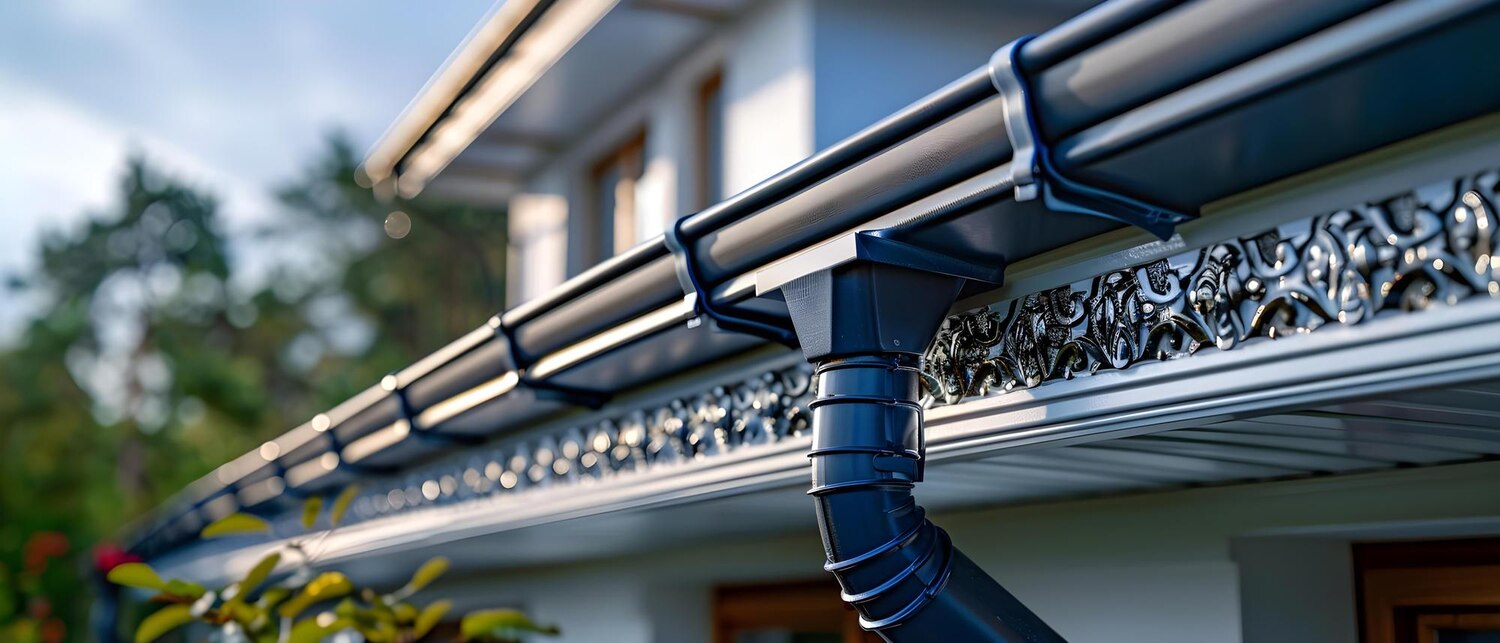
Siding and roofing share a weather story. Choose siding that aligns with your roof line to minimize visual clutter. Use continuous flashing behind siding at eaves and rake edges, and seal joints where siding meets the roof deck. Match gutter colors to trim or main siding to keep gutters discreet. Consider gutter guards to reduce debris and keep the siding area clean. Plan for a drip edge or rain screen behind siding for ventilation and faster drying of condensation.
Window flashing and trim best practices
Window flashing should run behind siding and under the window with a slight angle to shed water away. Use flexible flashing tape for irregular shapes, and seal fastener holes with pliable sealant. Trim should allow for movement with a small gap to prevent cracks. Select trim colors that complement siding and roofing without competing for attention. Proper flashing and venting around windows prevents moisture buildup and protects siding longevity.
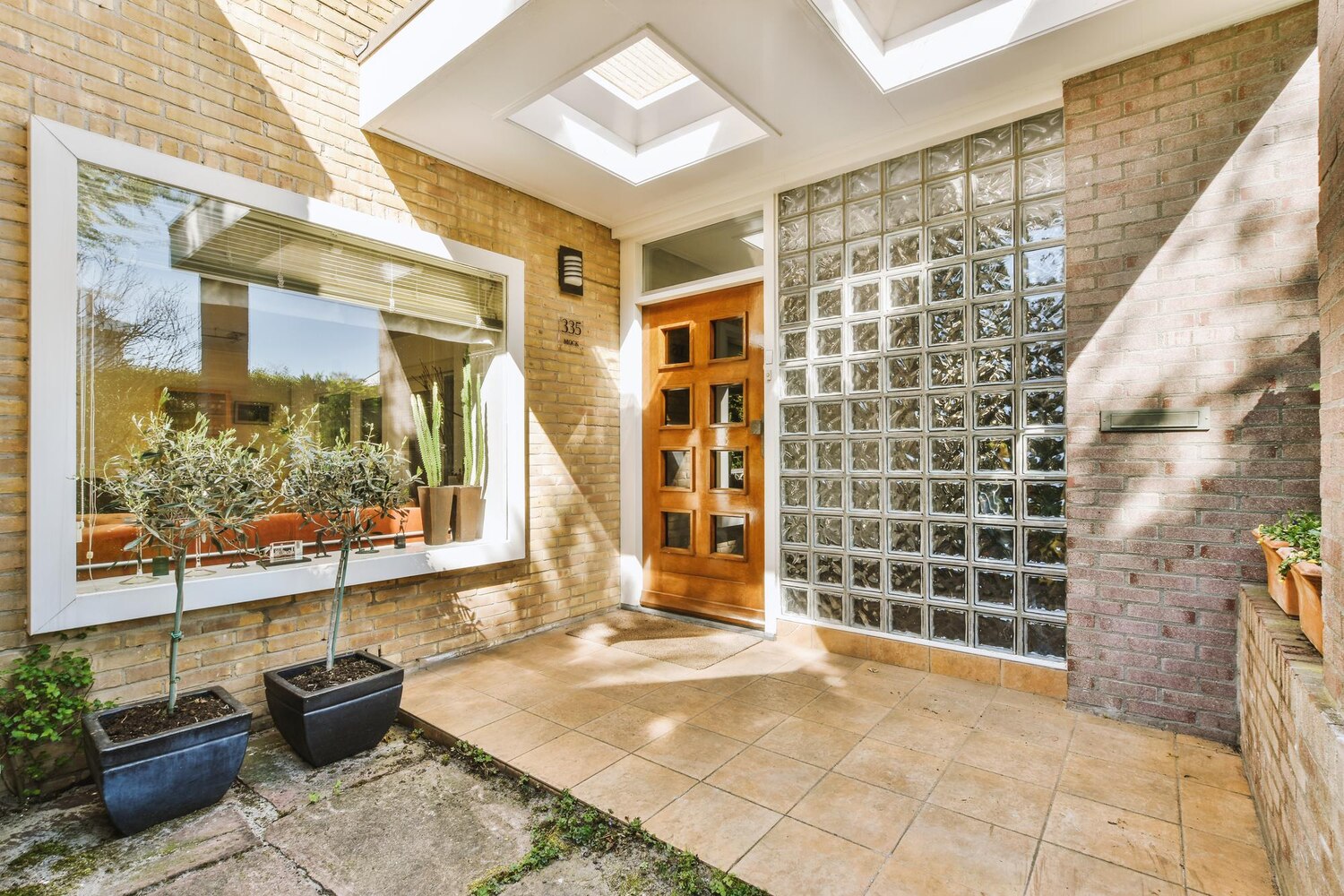
Plan for low-maintenance exterior cladding
Choose materials that resist weather, require fewer coatings, and hold color longer. Look for embedded UV inhibitors and rot-resistant cores, and finishes that tolerate hose-down cleaning. Consider color-fast options to reduce touch-ups after sun and rain. A smart upgrade now—durable finishes and correct installation details—pays off with a cleaner look and higher long-term value.
- Annual washing and seam inspections keep maintenance simple.
- Invest in sealed, low-maintenance finishes to reduce repainting needs.
Considerations for long-term performance
- Long-lasting finishes and UV resistance stay true longer.
- Seam-proof installation minimizes leaks and maintenance.
- A professional inspection after installation catches issues early.
Conclusion
Updating your home's exterior with modern siding options can boost curb appeal, energy efficiency, and long-term value. By choosing durable options like fiber cement or composite, considering insulated siding for higher R-values, and selecting sustainable materials and colors that harmonize with your roof, windows, and gutters, you set your home up for lasting success. Ensure quality installation from a professional who follows proper flashing and warranty terms to maintain a low-maintenance, long-lasting finish, and explore rebates and incentives to offset upfront costs.
With a clear plan, you’ll enjoy a refreshed exterior that performs in any climate, reduces upkeep, and stays beautiful for years. Take the next step today: get multiple quotes, compare warranties, and verify color and material warranties so your vision lasts as long as your investment.
Frequently asked questions
- What are the best modern siding choices for your home?
- Vinyl, fiber cement, metal, or engineered wood offer fresh looks, longevity, and low upkeep.
- How much will Updating your home's exterior with modern siding options cost?
- Typical ranges are about $5,000 to $30,000, depending on house size, materials, and prep work. Get several quotes.
- How long will new siding take to install?
- Small homes may be completed in days; larger jobs can take one to three weeks, weather permitting.
- Can you mix siding styles and colors?
- Yes—mixing can add character. Keep colors balanced and tie them together with trim.
- How do you pick the right siding for your climate?
- Choose water-resistant options for rain, UV-safe materials for sun, and add insulation for cold climates; consult a local pro.
Ready to start?
Get a free estimate from the team that wrote this article.
Licensed & Insured · Serving MetroWest Massachusetts.