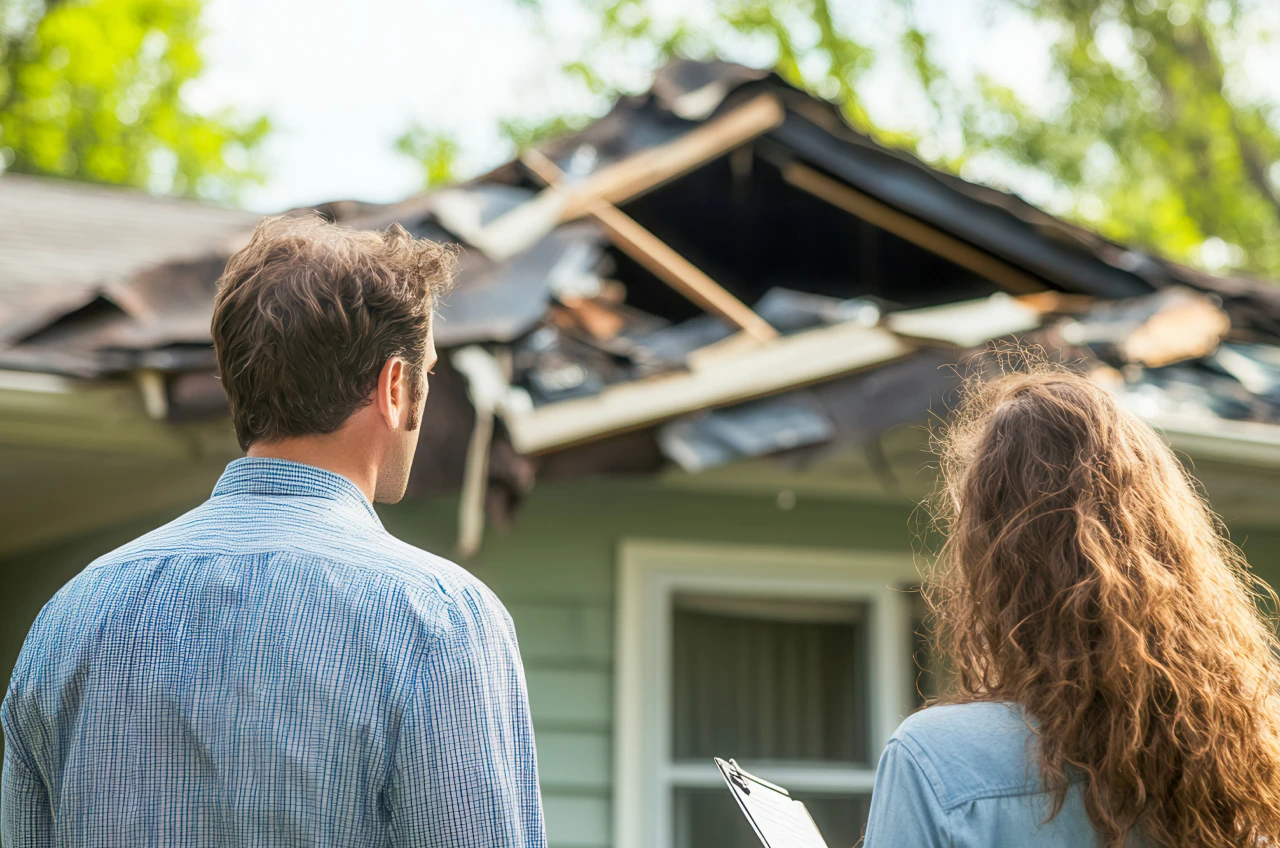
As the leaves fall and temperatures drop, it’s time to start thinking about how to prepare your roof for the winter months ahead. A well-maintained roof is crucial for protecting your home from the harsh elements, including snow, ice, and cold winds. Neglecting your roof can lead to serious problems, such as leaks, structural damage, and costly repairs.
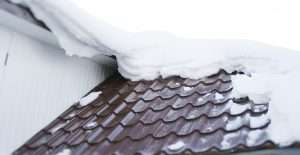
Why Roof Preparation Matters
- Prevent Water Damage: Snow and ice can accumulate on your roof, leading to potential leaks and water damage. Proper preparation helps prevent ice dams, which form when melting snow refreezes at the eaves, creating a barrier that traps water on your roof.
- Extend Roof Lifespan: Regular maintenance and preparation can prolong the life of your roof. Addressing minor issues before winter hits can save you from more significant problems in the future.
- Enhance Energy Efficiency: A well-maintained roof improves your home’s energy efficiency. Proper insulation and ventilation help regulate indoor temperatures, reducing your heating bills during the winter months.
- Ensure Safety: A compromised roof can pose safety hazards, both inside and outside your home. Ensuring your roof is in good condition helps protect your family and visitors from potential accidents.
Step-by-Step Guide to Winter Roof Preparation
1. Inspect Your Roof Start by conducting a thorough inspection of your roof. Look for:- Damaged Shingles: Check for missing, cracked, or curled shingles. Replace any that are damaged to prevent water from entering your home.
- Flashing Issues: Inspect the flashing around chimneys, vents, and skylights for signs of rust or gaps. Proper sealing is essential to prevent leaks.
- Moss and Algae: Remove any moss or algae growth, which can trap moisture and cause deterioration. Use a gentle cleaning solution or hire a professional to address this issue.
- Remove leaves, twigs, and debris from your gutters and downspouts.
- Use a garden hose to flush out any remaining dirt or clogs.
- Ensure downspouts are directed away from your foundation to prevent water pooling.
- Insulation: Ensure your attic is adequately insulated to keep warm air from escaping. This will help prevent snow from melting and refreezing at the eaves.
- Ventilation: Check that your attic has proper ventilation to allow cold air to circulate. This helps maintain a consistent temperature on your roof, reducing the risk of ice dams.
- Water Stains: Check for any water stains on the ceiling or walls, indicating a leak.
- Mold Growth: Look for mold or mildew, which can signify a moisture problem that needs to be addressed.
- Clear Snow Accumulation: After a heavy snowfall, use a roof rake to remove excess snow. Be careful not to damage the shingles while doing this.
- Monitor Roof Weight: Be aware of the weight of accumulated snow. If you notice sagging or structural concerns, consult a professional immediately.
- Contact Information: Keep the contact information of a trusted roofing contractor handy for emergencies.
- Supplies: Have basic supplies like a shovel, ice melt, and tarps on hand to address minor issues quickly.
Contact Us for Your Siding and Roofing Needs!
Is your roof ready to face the winter? At Lider Roofing, we specialize in providing top-notch roofing solutions to keep your home safe and secure. Whether you need a thorough inspection, repairs, or a complete roof replacement, our team of experts is here to help.Ready to start?
Get a free estimate from the team that wrote this article.
Licensed & Insured · Serving MetroWest Massachusetts.