Common Roofing Myths Debunked by Experts is here to clear up the confusion! You might have heard a lot of things about roofs that just aren’t true. From how long they really last to what you should do to take care of them, there are many
misconceptions floating around. This article will help you separate the
fact from fiction. Get ready to discover some
eye-opening truths that will keep your roof in top shape!
Key Insights You Should Know
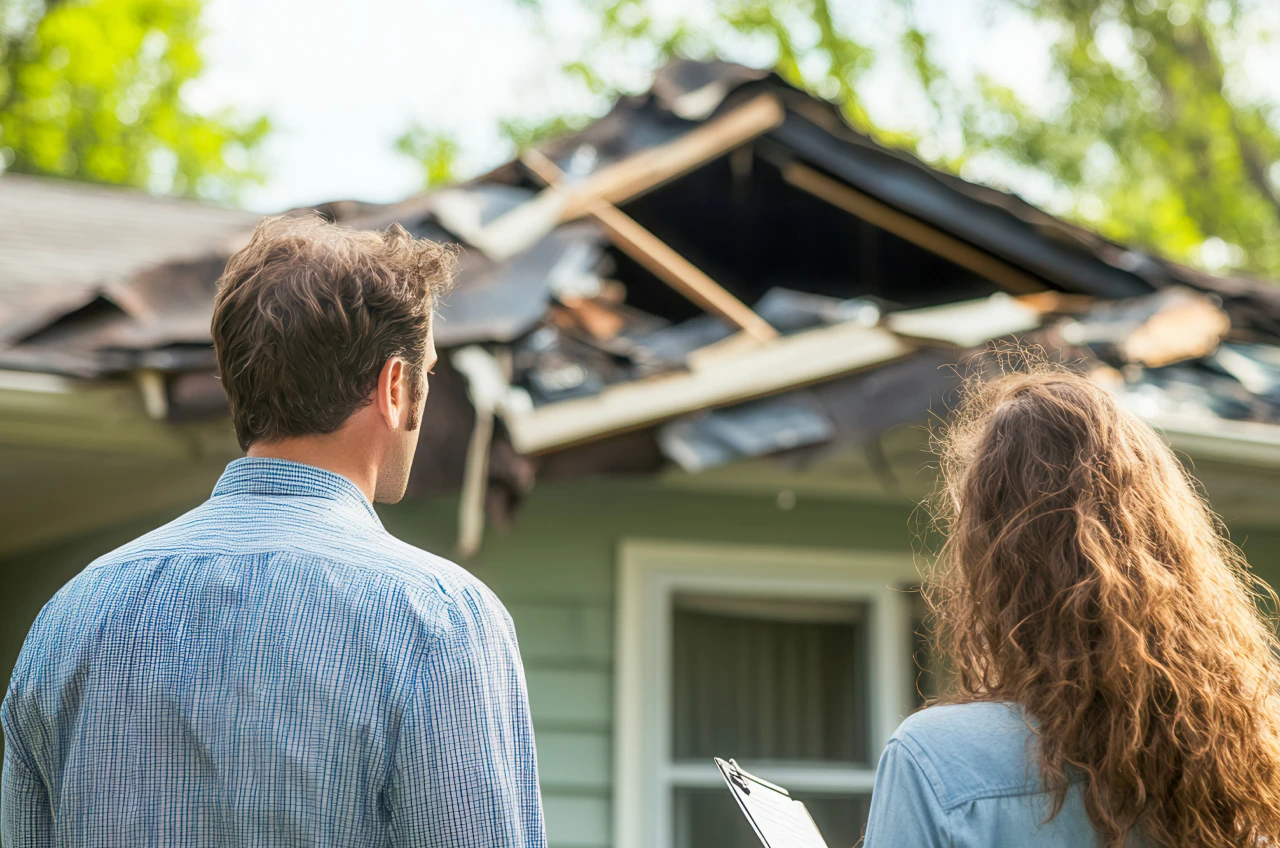
- Not all roof damage is visible from the ground.
- You don’t need a new roof just because it leaks.
- Roofs can last longer than you think with proper care.
- Installing a roof in winter is possible and can be safe.
- DIY roof repairs can lead to more issues and costs.
Understanding Common Roofing Myths
The Truth About Roofing Lifespans
When you think about your roof, you might believe it lasts a certain number of years. Many folks think roofs last
20 to 30 years, but that’s not always the case. The lifespan of your roof can depend on
many factors, like the materials used, the weather in your area, and how well you take care of it. Here’s a quick look at some common roofing materials and their average lifespans:
| Roofing Material | Average Lifespan |
| Asphalt Shingles | 15-30 years |
| Metal Roofs | 40-70 years |
| Wood Shingles | 20-25 years |
| Slate Roofs | 50 years |
So, if you think your roof is due for a change just because it hit the
20-year mark, you might want to get it checked out first.
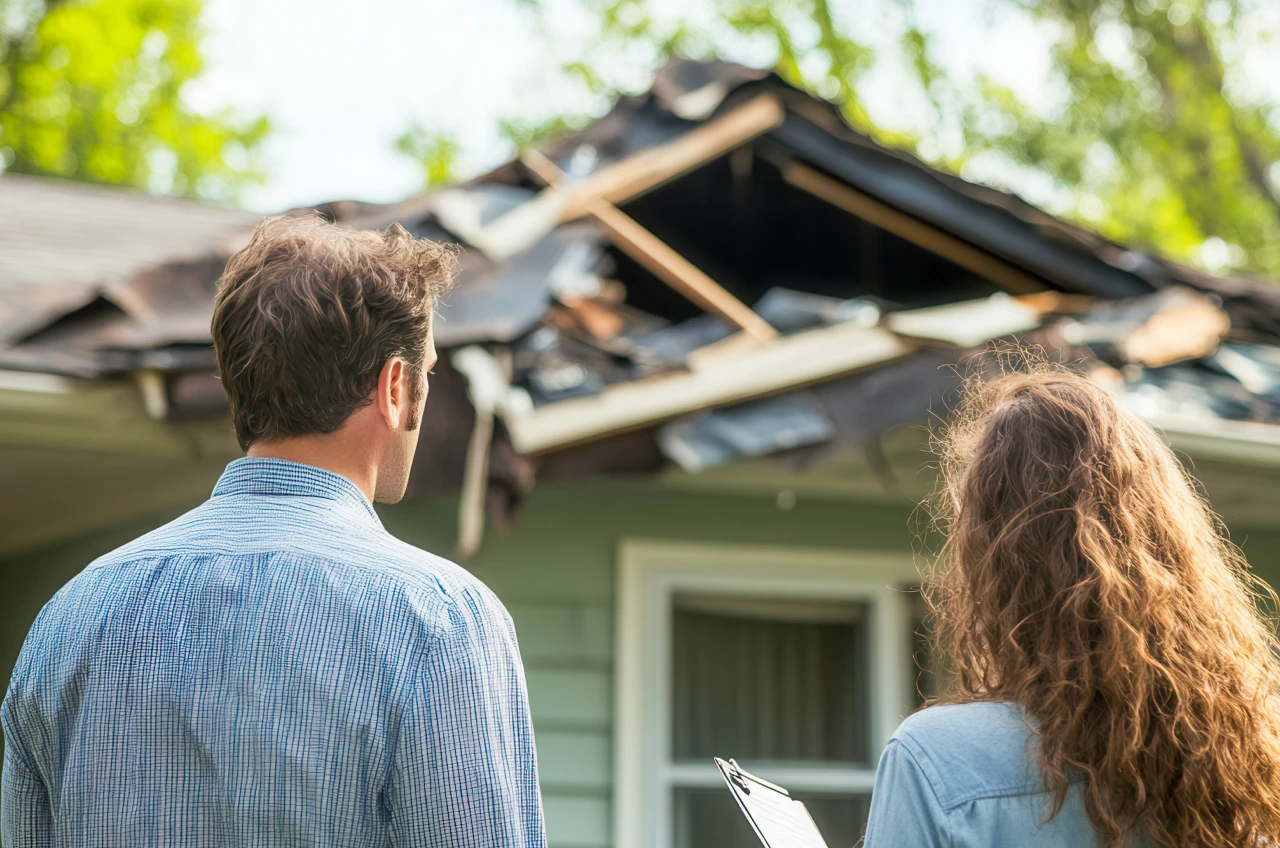
Common Misconceptions About Roof Maintenance
Many homeowners believe that if their roof looks good, it doesn’t need maintenance. That’s a
dangerous myth! Regular maintenance is key to keeping your roof in tip-top shape. Here are some common myths about roof maintenance:
- Myth 1: "I can wait until I see a leak to check my roof." Reality: By the time you see a leak, there might already be significant damage.
- Myth 2: "Cleaning my gutters is optional." Reality: Clogged gutters can lead to water damage on your roof and in your home.
- Myth 3: "I don’t need to worry about snow on my roof." Reality: Heavy snow can cause your roof to sag or even collapse.
Expert Insights on Roofing Longevity
Experts agree that routine inspections and maintenance are the best ways to extend your roof's life. They recommend having a professional look at your roof at least
twice a year and after any major storm. Think of your roof as a
protective shield. Just like you wouldn't ignore a dent in your car, you shouldn't overlook small issues with your roof. Addressing minor problems now can save you from
major headaches later. In conclusion, it's essential to bust these
common roofing myths to keep your home safe and sound. Regular maintenance and understanding the true lifespan of your roofing materials can help you protect your investment for years to come.
Debunking Roofing Myths with Expert Advice
The Reality of DIY Roofing Projects
You might think that fixing your roof yourself will save you a bundle of cash. However,
DIY roofing projects can often lead to more problems than solutions. Sure, you can find plenty of videos online showing how to patch a roof, but without the right skills, you might miss critical steps. Consider this: if you don't install shingles properly, you risk leaks that can damage your home. It’s like trying to fix a leaky faucet with no plumbing experience; it could turn into a bigger mess. Experts suggest that unless you’re
trained, it’s best to leave roofing jobs to the pros.
What Professionals Say About Roofing Costs
When it comes to roofing costs, many homeowners have a lot of
misconceptions. You might think that the cheapest option is the best, but that’s not always true. Professionals often say that investing in quality materials and skilled labor pays off in the long run. Here’s a simple breakdown of what you might expect:
| Service | Average Cost |
| Roof Inspection | $200 - $400 |
| Roof Replacement | $5,000 - $10,000 |
| Roof Repair | $300 - $1,500 |
These costs can vary based on your home’s size and the materials you choose. Remember, going for the lowest price might lead to higher costs later on if the work isn’t done right.

Key Tips from Experts on Roofing Choices
Choosing the right roofing material can feel overwhelming. But don’t stress! Here are some expert tips to help you make a smart choice:
- Consider Your Climate: Different materials perform better in different weather. For example, asphalt shingles work well in most areas, but metal roofs can be great for heavy snow.
- Think About Longevity: Some materials last longer than others. Slate roofs can last over 100 years, while asphalt may need replacing every 20 years.
- Check Your Budget: Always align your choice with what you can afford. Sometimes spending a little more upfront can save you money down the road.
With these tips, you can confidently choose the right roofing option for your home.
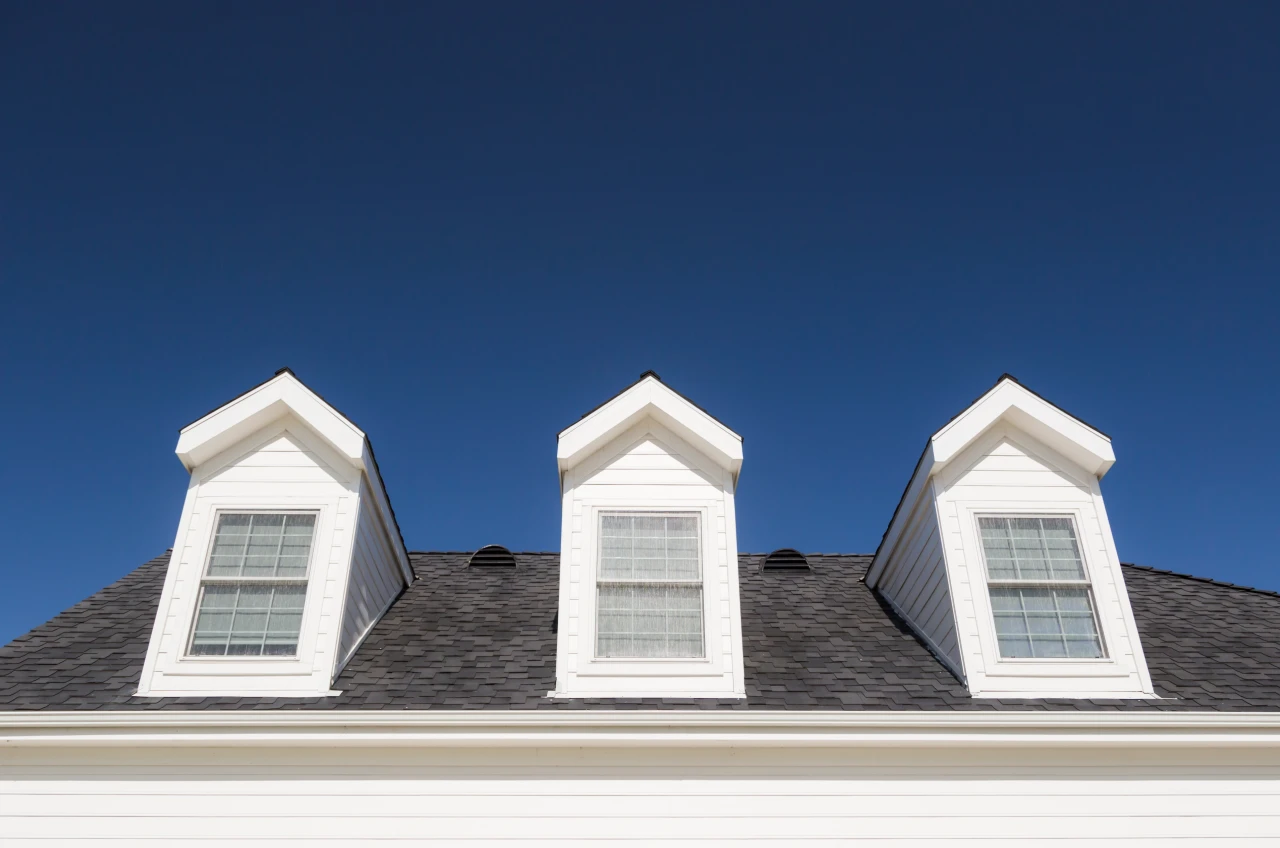
Common Fallacies in Roofing Practices
The Myths Surrounding Roof Inspections
When it comes to
roof inspections, many people believe a few common myths. One big one is that you only need to inspect your roof if you see a leak. This is like waiting for a fire to check your smoke detectors! Regular inspections can catch problems before they become costly repairs. Another myth is that all roofing contractors are the same. Not true! Some have more experience with certain materials or types of roofs. Picking the right contractor can make a huge difference in the quality of your roof.
Understanding the Facts About Roofing Materials
Let’s talk about roofing materials. Many folks think that
all shingles are created equal. In reality, they come in various types, like asphalt, metal, and wood. Each type has its pros and cons. For instance, metal roofs last longer but can be pricier upfront. Here’s a quick breakdown of popular roofing materials:
| Type | Lifespan | Cost | Pros | Cons |
| Asphalt Shingles | 15-30 years | Low | Affordable, easy to install | Less durable |
| Metal Roofs | 40-70 years | High | Long-lasting, energy-efficient | Can be noisy |
| Wood Shakes | 30-50 years | Medium | Beautiful, natural look | Requires maintenance |
Conclusion
In wrapping things up, you’ve just peeled back the layers on some
common roofing myths that could be costing you time, money, and peace of mind. Remember, your roof is more than just a
shelter; it’s a
protective shield that requires regular attention and care. By debunking these misconceptions, you can make informed decisions that will ultimately
prolong your roof's lifespan and keep your home safe. So, don’t let myths lead you astray! Keep your roof in
tip-top shape by staying proactive with maintenance and seeking professional help when needed. If you’re hungry for more insights, tips, and tricks to keep your home in top condition, swing by
liderroofing.com. Your roof will thank you!
Frequently asked questions
1. Is dark roofing always hotter than light roofing?
No, the color does affect temperature, but not as much as you think. Ventilation plays a bigger role in keeping your home cool.
2. Do roofs need to be replaced every 10 years?
Not necessarily! Many roofs can last 20 years or more. It all depends on the materials and maintenance.
3. Can I install a new roof over my old one?
Yes, you can! However, it’s best to have a professional check it out first. They will ensure it’s safe and won't cause issues later.
4. Is all roofing material the same?
Absolutely not! There are many types. Each has different benefits, costs, and lifespans. Do your homework to choose the best one.
5. Does a new roof increase home value?
Yes! A new roof can boost your home’s resale value. It also attracts buyers, knowing they won’t have to deal with repairs soon.