When you think about your
Winter Roofing Checklist to Prevent Ice Dams, what comes to mind? It’s all about keeping your roof safe and sound during those chilly months. In this article, you’ll discover essential steps to ensure your roof is ready for winter. We’ll discuss the importance of
roof insulation, keeping your attic ventilated, and tips for maintaining gutters. Plus, we’ll cover how to safely handle snow removal and deal with pesky icicles. So, let’s dive in and make winter a little easier for your home!
Key Takeaways
- Keep your roof clear of snow and ice.
- Insulate your attic to retain heat.
- Seal air leaks to prevent warm air escape.
- Install roof vents for better airflow.
- Check gutters and downspouts to avoid clogs.
Essential Steps in Your Winter Roofing Checklist
Importance of Roof Insulation
When winter rolls around, the last thing you want is to feel a chill in your home.
Roof insulation is your first line of defense. It keeps the warm air inside and the cold air outside. Think of it as a cozy blanket for your house. If your roof isn’t insulated well, you might waste energy and money. You could be paying more on your heating bill than necessary. Here are some key benefits of proper roof insulation:
- Energy Savings: A well-insulated roof can cut your heating costs significantly.
- Comfort: It helps keep your home warm and cozy.
- Ice Dam Prevention: Proper insulation can help avoid ice dams, which can cause serious damage to your roof.
Attic Ventilation for Ice Dam Prevention
Now, let’s talk about
attic ventilation. This is just as vital as insulation. Good ventilation helps keep your attic cool in winter. Why does this matter? When warm air rises into your attic, it can melt the snow on your roof. This melted snow can then refreeze at the edges, creating ice dams. Ice dams can lead to leaks and costly repairs. Here’s what you need to know about attic ventilation:
| Ventilation Type | Function |
| Soffit Vents | Allow cool air to enter |
| Ridge Vents | Let warm air escape |
| Gable Vents | Help balance airflow |
How Proper Insulation and Ventilation Work Together
Proper insulation and ventilation are like best friends. They work together to keep your roof healthy during winter. Insulation keeps the warm air in, while ventilation allows excess heat to escape. This balance is crucial. Without it, you risk creating ice dams and damaging your roof. Think of it this way: if you have a warm blanket (insulation) but no airflow (ventilation), you might get too hot and sweaty. On the flip side, if you have airflow but no blanket, you'll be cold and uncomfortable. In short, both insulation and ventilation play a huge role in your
Winter Roofing Checklist to Prevent Ice Dams.
Gutter Maintenance Tips for Winter
Clearing Gutters to Prevent Ice Dams
When winter rolls around,
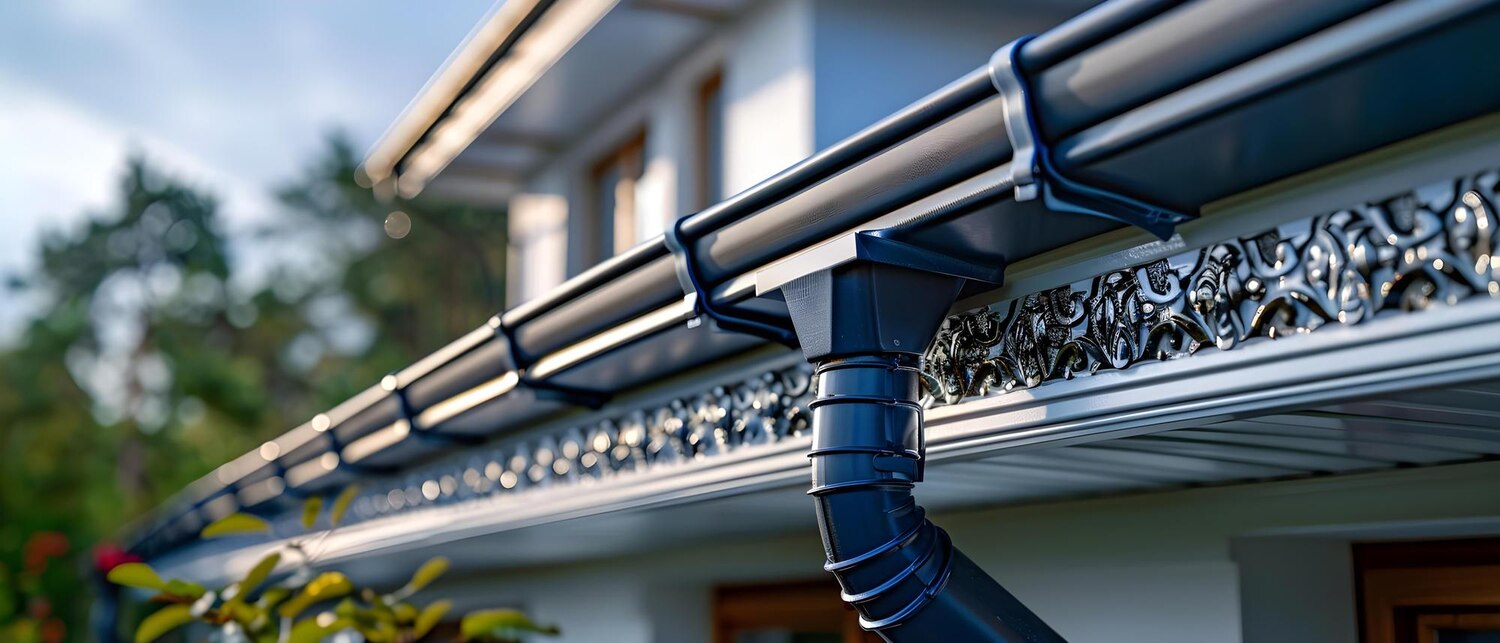
keeping your gutters clean is crucial. Clogged gutters can lead to ice dams, which can cause water to back up and leak into your home. To prevent this, grab a sturdy ladder and check your gutters regularly. Here’s how to do it:
- Remove Debris: Clear out leaves, twigs, and dirt. Use gloves to protect your hands.
- Flush with Water: After removing debris, run water through the gutters to ensure they’re flowing freely.
- Check Downspouts: Make sure water flows down the downspouts without any blockages.
By keeping your gutters clear, you can stop ice dams from forming and save yourself a lot of headaches down the line!
Choosing the Right Gutter Materials
Not all gutters are created equal. Choosing the right materials can make a big difference in how well they perform during winter. Here are some options to consider:
| Material | Pros | Cons |
| Aluminum | Lightweight, rust-resistant | Can dent easily |
| Vinyl | Affordable, easy to install | May become brittle in cold |
| Copper | Long-lasting, beautiful | Expensive |
| Steel | Strong and durable | Can rust if not coated |
Think about your budget and the weather in your area when picking the right material. Investing in good gutters now can save you money on repairs later!

Regular Gutter Checks Can Save You Money
Let’s face it:
nobody wants to deal with costly repairs. By checking your gutters regularly, you can catch problems before they escalate. Aim for at least two checks a year—once in the fall and once in the spring. This way, you’ll be ahead of any potential issues. Imagine waking up to a leak because of a clogged gutter. That’s a nightmare! But with regular checks, you can avoid that situation. Plus, you’ll have peace of mind knowing your home is protected.
Safety Tips for Snow Removal and Icicle Management
Safe Techniques for Removing Snow from Your Roof
When winter hits, your roof can quickly become a
snowy mountain. Removing that snow is crucial to prevent damage, but you want to do it safely. Here are some tips to keep you safe while clearing your roof:
- Use a Roof Rake: This long-handled tool helps you pull snow down without climbing up. Stand on the ground and pull the snow off the edges.
- Work in Sections: Don’t try to remove all the snow at once. Take it a little at a time. This way, you can keep your balance and avoid slipping.
- Watch for Ice: If you see ice under the snow, be careful. Ice can make things slippery and dangerous.
- Stay Grounded: If the snow is too heavy, it might be best to call a professional. Your safety is more important than a little snow on the roof.
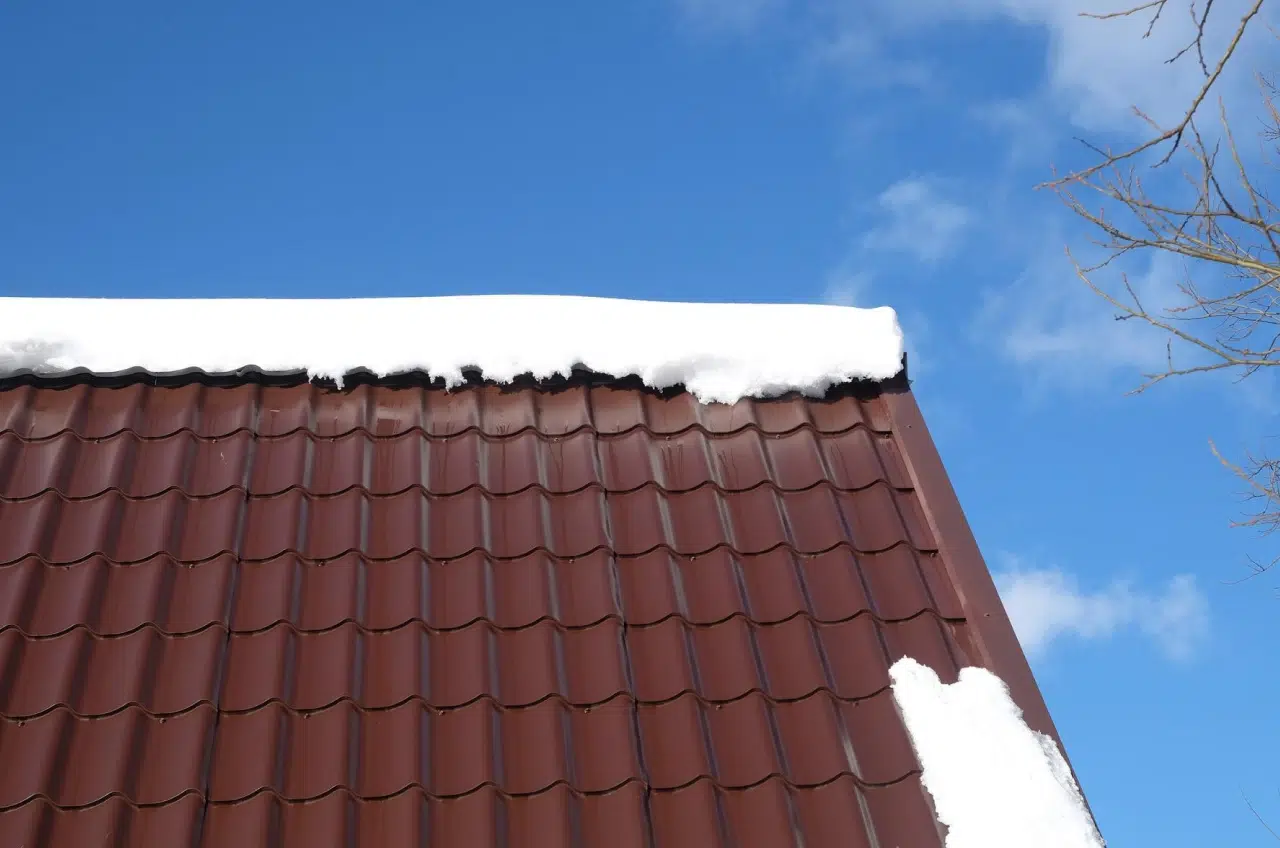
Understanding the Dangers of Icicles
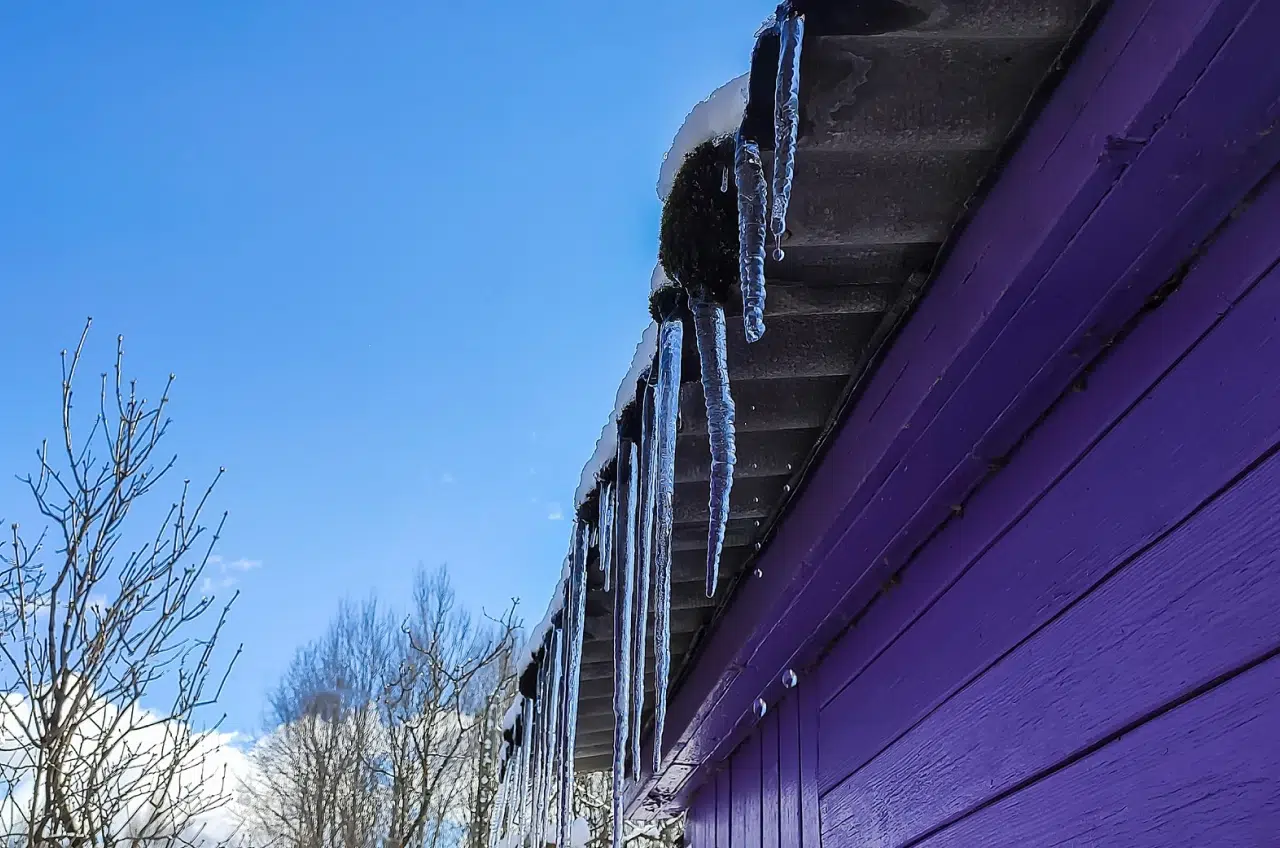
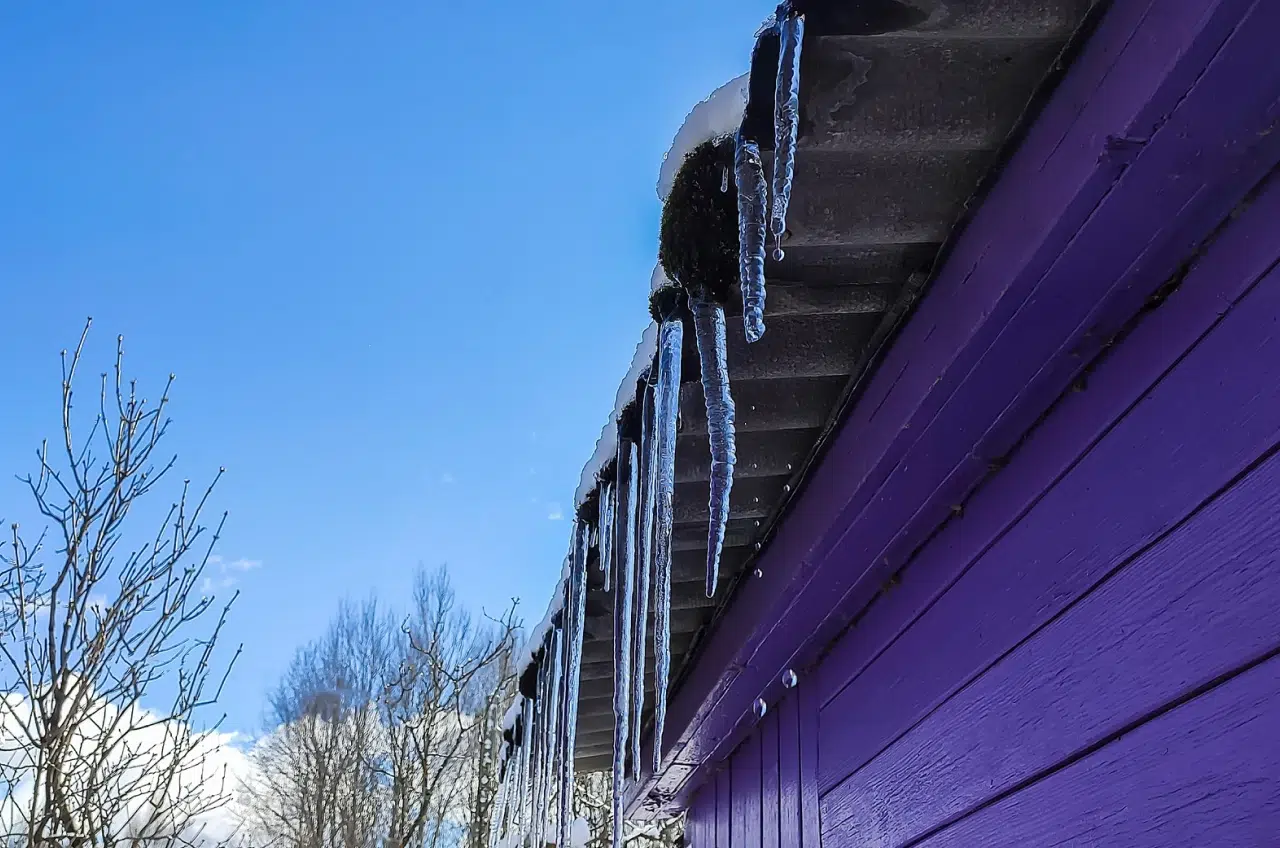
Icicles might look pretty hanging from your roof, but they can be
tricky. They can fall and cause injury or damage. Here’s what you need to know:
- Weighty Threats: Icicles can weigh a lot. A large one can break bones or damage your car.
- Hidden Hazards: Sometimes, icicles form because of ice dams. Ice dams happen when snow melts and refreezes at the edge of your roof, which can lead to leaks inside your home.
Protecting Your Home and Family from Ice Hazards
To keep your family safe from icicles, here are a few steps you can take:
| Tip | Description |
| Trim Overhanging Branches | Keep branches away from your roof to reduce snow build-up. |
| Install Heat Cables | These can help keep the area around your roof warm, preventing ice dams. |
| Clear Gutters Regularly | Make sure your gutters are clean to allow proper drainage. |
Remember, taking care of your roof and gutters is part of your
Winter Roofing Checklist to Prevent Ice Dams.
Conclusion
In conclusion, your
Winter Roofing Checklist to Prevent Ice Dams is not just a list; it’s your ticket to a safe and cozy home during those frosty months. By focusing on
insulation,
ventilation, and
gutter maintenance, you’re not just protecting your roof, but also your wallet from costly repairs down the line. Remember, a little preparation goes a long way! So, roll up your sleeves and tackle those tasks one by one. After all, it’s better to be safe than sorry when winter rolls in. And if you’re hungry for more tips and tricks to keep your home in tip-top shape, don’t hesitate to check out more articles at
liderroofing.com. Happy roofing!
Frequently Asked Questions
What is a Winter Roofing Checklist to Prevent Ice Dams?
A Winter Roofing Checklist to Prevent Ice Dams is a list of tasks to help you prepare your roof for winter. It focuses on stopping ice dams from forming.
How can I spot ice dams on my roof?
Look for icicles hanging from your roof or areas where snow isn't melting. These can be signs of ice dams.
What can I do to prevent ice dams?
Make sure your attic is well insulated. You can also check ventilation to keep your roof cold.
Should I remove snow from my roof?
Yes! Removing snow can help prevent ice from building up. You can use a roof rake for this job.
When should I do my Winter Roofing Checklist?
Start your Winter Roofing Checklist in early fall. This way, you’ll be ready before the snow hits.