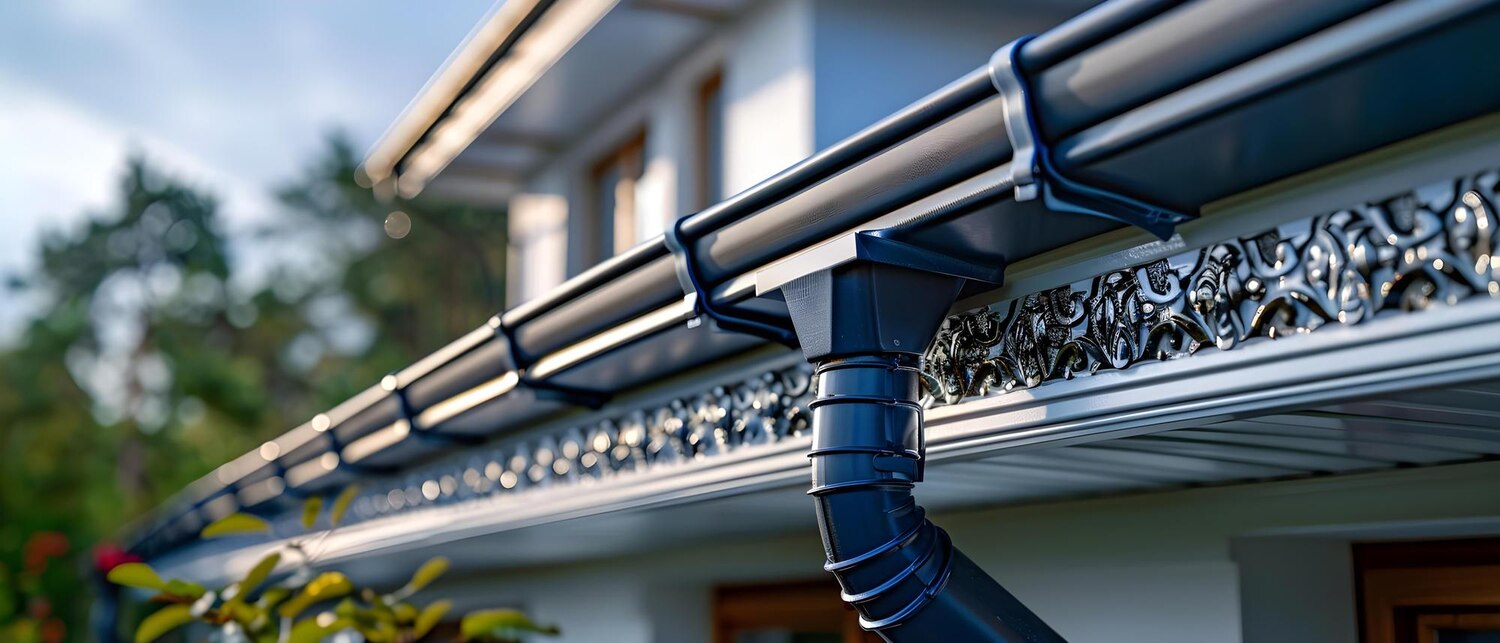
The Importance of Gutter Installation for Protecting Your Home’s Foundation
This guide explains how proper gutter installation protects your home’s foundation. You’ll learn how gutters and downspouts move roof water away from the house, why clogged or poorly placed gutters cause erosion and settlement, how to choose and place seamless gutters and extensions, easy installation rules for pitch and placement, seasonal maintenance tips, and a short checklist you can use right away.
Key takeaway
- Keep rainwater away from your foundation
- Prevent soil erosion and foundation shifting
- Reduce basement leaks and dampness
- Avoid costly foundation repairs
- Save money with regular maintenance
How gutters stop water from pooling at your foundation
Gutters collect roof runoff at the eaves and channel it through downspouts to a safe discharge point. Without gutters, roof water lands next to the foundation, saturating soil and increasing the risk of cracking, sinking, or hydrostatic pressure against foundation walls.
Typical flow:
- Rain hits the roof and runs to the gutters.
- Gutters direct water to downspouts.
- Downspouts discharge water via extensions, splash blocks, or buried drains away from the foundation.
- Water ends in a safe place (drain, swale, or street).
A clear, continuous system prevents backups, overflow, and foundation damage.
How rainwater drainage systems for homes move water away from your house
A drainage system has three primary parts: gutters (collect), downspouts (direct), and outlets/extensions (discharge). To work well:
- Size gutters for your roof area and local rainfall.
- Locate downspouts at low points and valleys.
- Use extensions or buried piping to move water at least 3–6 feet from the foundation (more if your yard slopes toward the house).
Test the system with a hose to confirm proper flow and no pooling.
How clogged gutters cause foundation settlement
Clogged gutters overflow, letting water run down walls and pool at the base. Constant wetting softens and erodes soil, causing settlement, cracking, and foundation movement. Clogs also add weight and can sag gutters, worsening drainage.
Consequences of neglected clogs:
- Soil erosion near footings
- Repeated wet-dry cycles that expand and contract soils
- Visible cracks in drywall, sticking doors, or uneven floors
Act quickly when you spot early signs to avoid expensive repairs.
Simple signs to spot early
Watch for:
- Gutters overflowing in light rain
- Water stains or streaks on siding near the foundation
- Pooling or muddy spots at base of walls
- Sagging or detached gutters
- Downspouts dumping directly against the foundation
- Lush growth in streaks near the house (too much water)
- Cracks in walkways or near foundation edges
Quick fixes:
- Clean gutters twice a year or after heavy leaf fall
- Install downspout extensions to move water 4–6 feet away
- Add splash blocks or connect to a drain/dry well
- Repair sagging gutters and reattach loose downspouts
How to pick and place gutters to protect your home
Choosing the right gutters is the first step in protecting your foundation.
Material and size:
- Aluminum: lightweight, rust-proof
- Steel: strong, durable
- Copper: long-lasting, premium cost
- Vinyl: inexpensive, can warp
Capacity and style:
- 5-inch common for small roofs; 6-inch for heavy rain or large roofs
- K-style holds more and matches many homes; half-round resists clogging on certain roofs
- Consider leaf protection (screens/guards) for trees
Placement and hangers:
- Measure roof runoff area and local rainfall to determine size.
- Choose material and style for budget and climate.
- Plan downspout locations at low points and valleys.
- Space hangers every 24–36 inches (closer in snowy/windy areas).
- Install and test with water.
Why seamless gutters are a strong choice for gutter installation for foundation protection
Seamless gutters are formed on-site to match your roofline, reducing the number of joints where leaks and clogs form. Fewer seams means fewer leaks near the foundation and lower maintenance overall—making seamless gutters an excellent option when prioritizing the importance of gutter installation for protecting your home’s foundation.
Pros:
- Fewer joints = fewer leaks
- Lower maintenance and cleaner appearance
- Better protection against overflow near the foundation
Considerations:
- Higher upfront cost and need for on-site forming equipment or a professional
- Damaged sections may require cutting and replacement

Where to put downspouts and extensions
Downspouts should safely carry water away from the foundation:
- Place at low points and corners; aim for one downspout every 20–40 feet of gutter run.
- Use at least 2x3 inch rectangular or 3-inch round downspouts for normal rain; go larger for heavy runoff.
- Extend discharge 4–6 feet or more from the foundation; farther if the yard slopes toward the house.
- Options: splash blocks, surface extensions, underground piping, pop-up emitters, or dry wells.
Checklist for placement:
- Walk the roof and mark high runoff spots (valleys, long runs).
- Place downspouts at ends and big valleys.
- Space them so water doesn’t travel too far in the gutter.
- Add extensions or underground piping to a safe discharge.
- Test with water to ensure no pooling near the foundation.
Easy installation rules for proper gutter pitch and water diversion
- Standard pitch: about 1/4 inch drop per 10 feet toward the downspout.
- Verify pitch with a level or chalk line.
- Space hangers every 24–36 inches to maintain slope.
- Avoid dips where water can pond; fix low spots promptly.
- Secure downspouts with straps every 6–8 feet and ensure extensions slope downhill.
Safety: use a stable ladder, gloves, and a helper for long runs.
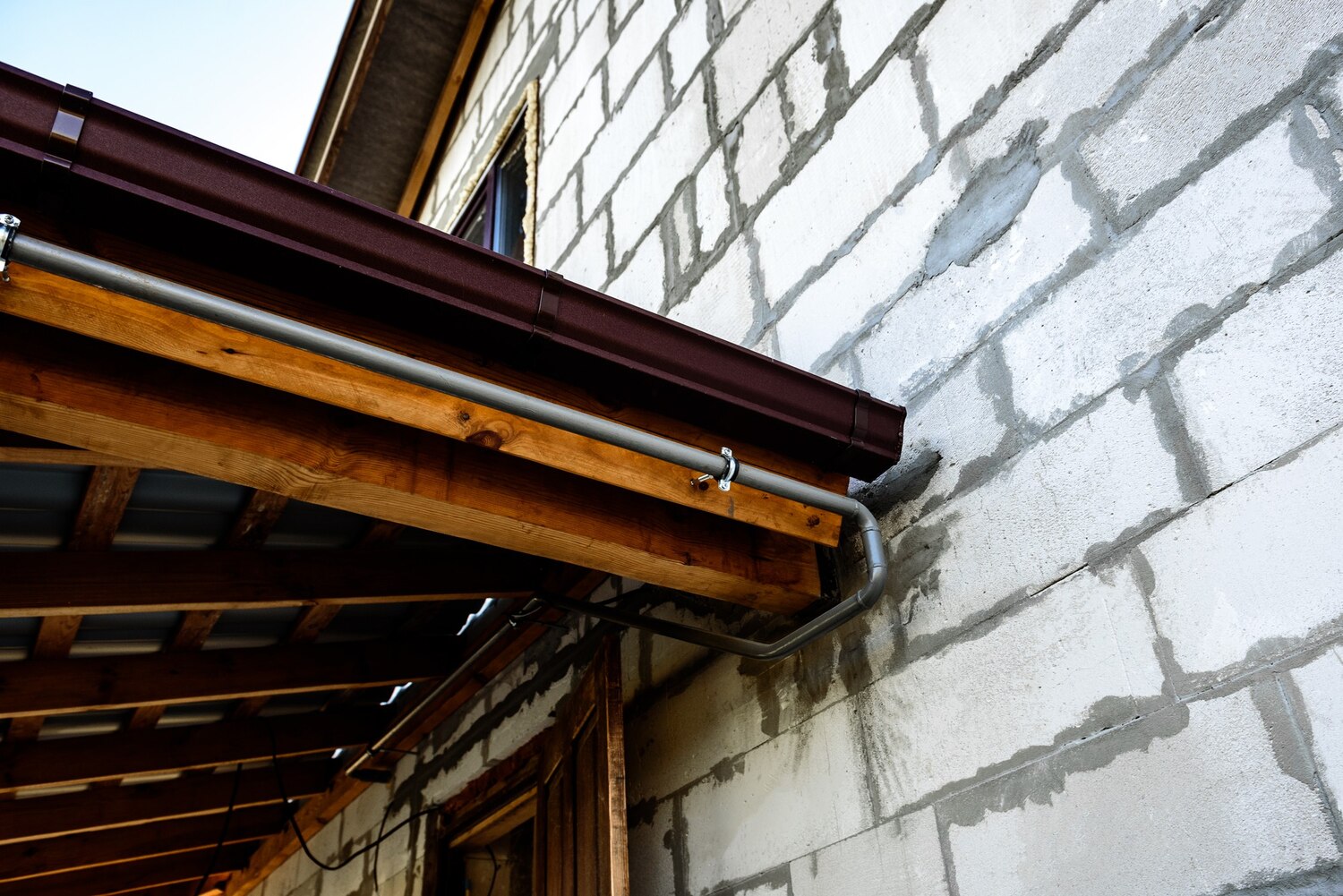
How regular care keeps your foundation safe and dry
Gutters act like your home's raincoat. When maintained, they reduce hydrostatic pressure against foundation walls, preventing moisture intrusion, basement leaks, and soil movement. A few minutes of seasonal upkeep prevents more costly structural issues.
Seasonal maintenance
- Spring:
- Clean gutters of leaves and debris
- Flush downspouts with a hose
- Reattach loose hangers
- Summer:
- Inspect for cracks, holes, and rust
- Trim overhanging branches
- Check slope toward downspouts
- Fall:
- Remove heavy leaf buildup before storms
- Install or clean gutter guards
- Seal any leaks at joints
- Winter:
- Watch for ice dams and heavy icicles
- Carefully remove snow from the roof edge if safe
- Keep downspouts clear so melting snow drains away
Gutters and basement flooding prevention
Gutters reduce ground saturation and pressure on basement walls. When they fail, water pools near the foundation and often enters at the weakest points—basement windows, joints, or cracks.
Warning signs:
- Pooling near the foundation after rain
- Wet or musty basement smell
- Stains or white efflorescence on basement walls
- Water at wall-floor joints or basement windows
If you see these: clear clogs, extend downspouts at least 3–10 feet, add splash blocks or a drain line, and call a pro for persistent damp or structural issues.
Short maintenance checklist to protect your foundation
- Clean gutters and downspouts twice a year (spring and fall)
- Flush downspouts after cleaning
- Check and tighten hangers and brackets
- Seal leaks at joints with gutter sealant
- Confirm slope toward downspouts (≈1/4 inch per 10 ft)
- Extend downspouts 3–10 feet from the foundation
- Trim overhanging branches
- Inspect after heavy storms or ice events
- Install gutter guards if clogs are frequent
- Call a contractor for sagging gutters, major leaks, or foundation cracks
Conclusion
The Importance of Gutter Installation for Protecting Your Home’s Foundation cannot be overstated. Properly sized, placed, and maintained gutters and downspouts direct roof runoff away from your foundation, preventing erosion, settlement, and basement flooding. Regular cleaning, correct pitch, adequate downspout discharge, and considering seamless gutters all reduce the risk of costly foundation repairs. Address small issues quickly and call a professional for structural concerns to protect your home and your investment.
Frequently asked questions
Q: How do gutters protect your foundation? A: They guide rain away from the house so water won’t pool near the base, stopping soil erosion and foundation cracking.
Q: What happens if you skip gutter installation? A: Roof runoff soaks the soil next to your home, increasing the risk of cracks, leaks, mold, and foundation settlement.
Q: How often should you clean and check your gutters? A: At least twice a year (spring and fall) and after major storms or heavy leaf fall.
Q: Can good gutters save you money? A: Yes. They reduce foundation repair costs, basement cleanup, and long-term structural damage.
Q: Are seamless gutters worth it for foundation protection? A: Generally yes—fewer seams mean fewer leaks and less maintenance, which helps keep foundation areas dry.
Ready to start?
Get a free estimate from the team that wrote this article.
Licensed & Insured · Serving MetroWest Massachusetts.