Signs Your Roof Needs Repairs: When to Call a Professional
This quick guide helps you spot exterior and interior
warning signs that your roof needs work. You’ll learn to spot
granules in gutters,
bald shingles, and
missing, cracked, or curled shingles after wind or hail. Get a simple visible-damage checklist for
siding,
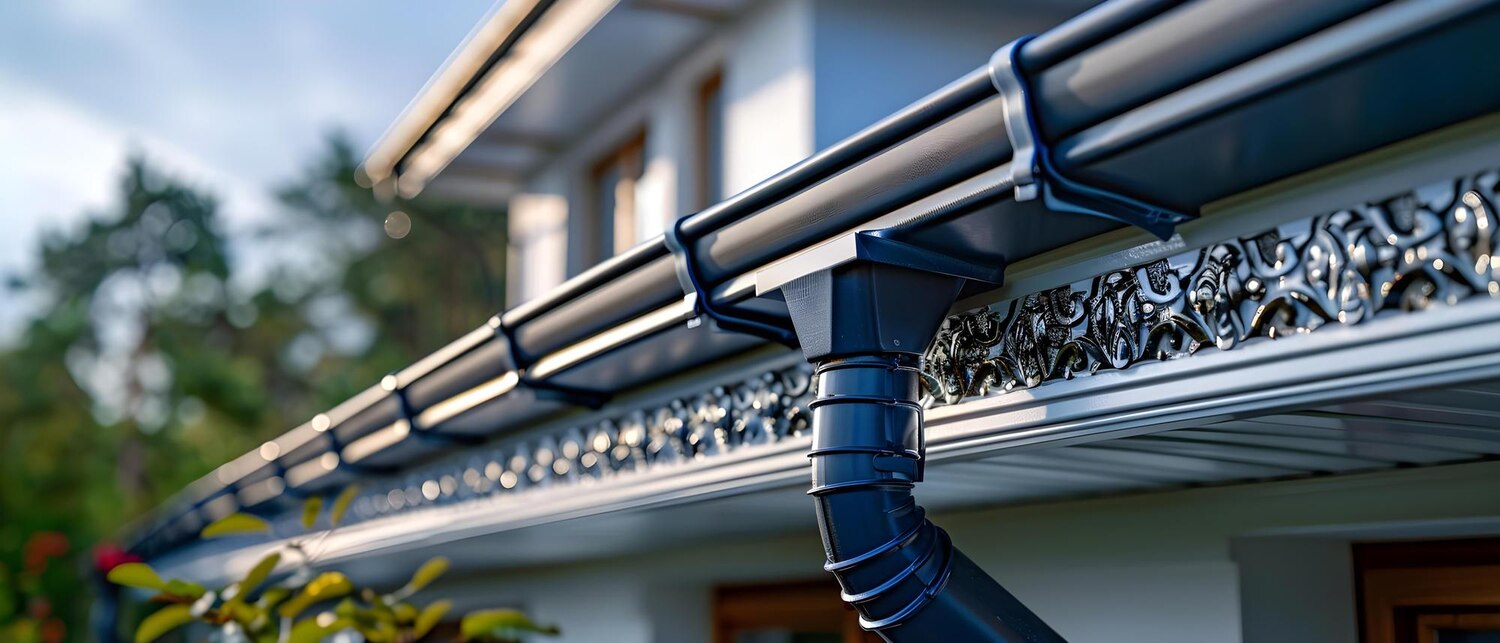
gutters,
flashing, and
paint finish. See interior warning signs like
water stains,
sagging, and
attic moisture and follow easy attic inspection steps to find leaks. You’ll also know when to
call a professional, what to
document for insurance, and when
persistent leaks or structural issues mean you need pro help. Remember: Signs Your Roof Needs Repairs: When to Call a Professional — use it as your quick decision guide.
Key Takeaway
- Missing or curled shingles
- Water stains on ceilings or in the attic
- Lots of granules in gutters
- Sagging or dips in the roofline
- Moldy or musty smells, or active leaks
How to spot exterior roof damage and shingle problems
Catching roof problems early saves money and stress. The phrase "Signs Your Roof Needs Repairs: When to Call a Professional" is a good prompt when you find any of the issues below.
Granules in gutters and bald shingles
When shingles lose their
granules they age quickly. Granules look like sand or tiny rocks and collect in gutters, downspouts, or under eaves.
- Lots of granules = shingles near end of life.
- Bald spots (shiny asphalt) = protective layer gone.
- Exposed shingles let UV and water damage accelerate.
| Observation | What it means | Action |
| Many granules in gutters | Shingles lost protective coating | Schedule an inspection soon |
| Thin layer of granules | Aging but not urgent | Watch and check twice a year |
| Bald shingles (shiny asphalt) | Severe wear | Call a pro now |
A quick gutter sweep that reveals a pile of brown sand is a red flag. Acting early can avoid a full roof replacement.
Missing, cracked, or curled shingles after wind or hail
Storms can remove or damage shingles.
- Missing shingles expose underlayment — water intrusion risk.
- Cracked shingles allow water through splits.
- Curled edges catch wind and fall off.
Quick steps after a storm:
- Walk around and look up for missing or loose shingles.
- Check the attic for light or water stains (light through = hole).
- If multiple shingles are damaged, call a pro; widespread storm damage typically needs a contractor.
A single damaged shingle may be monitored, but multiple damaged areas after a storm mean professional assessment.
Visible roof damage checklist for siding, gutters, flashing, and paint
Scan these from the ground and mark any problem as
low,
medium, or
high urgency.
| Component | What to look for | Why it matters | Urgency |
| Siding | Cracks, warping, gaps | Lets water reach framing | Medium–High |
| Gutters | Granules, sagging, holes | Poor drainage leads to leaks | Medium–High |
| Flashing | Bent, rusted, pulled away | Key watertight seal at joints | High |
| Paint finish | Peeling, blistering, bare wood | Exposed material rots faster | Low–Medium |
Quick tips:
- Loose flashing lets water sneak under shingles — high priority.
- Gutters clogged with granules can back up water under roof edges.
- Peeling paint on trim/siding often signals moisture.
Take photos after storms or twice a year — photos are crucial when talking to a contractor.
Interior warning signs: water stains, sagging, and attic moisture
Interior clues often indicate active leaks or structural issues.
Water stains on ceilings: causes and early checks
Water stains are a clear sign something is wrong. Dark rings or brown patches usually mean water passed through the ceiling. Common causes:
- Damaged shingles or flashing
- Clogged gutters forcing water under edges
- Failing roof underlayment
Quick DIY checks:
- Note stain size — a growing stain is high priority.
- Press gently with a dry paper towel — if it darkens, it’s wet.
- Inspect the attic above the stain for drips or damp insulation.
| Stain location | Likely cause | Quick check |
| Center of ceiling | Leak along ridge/flashing | Inspect attic above |
| Near wall top | Failed flashing or wall penetration | Check roof-wall junction |
| Around light fixture | Ceiling junction leaks | Turn power off; inspect from attic only |
If you spot
mold or large wet areas, stop and call help. Small isolated stains can be monitored but expanding stains need action.
Sagging roof and soft spots in the attic
A
sagging roof is a serious hazard and often escalates quickly. Signs inside:
- Ceilings that look bowed or wavy
- Doors that stick or windows that won’t close
- New cracks in walls near ceilings
Attic warnings:
- Floor or decking that gives underfoot
- Nails popping or wood crumbling
- Visible sag between rafters/trusses
| Sign | What it often means | What to do |
| Small bow in ceiling | Localized decking/joist problem | Monitor and inspect attic |
| Soft spots underfoot | Rot or structural failure | Avoid area; get a pro |
| Widespread sagging | Structural compromise | Leave if unsafe; call a pro immediately |
Never walk on weak attic areas. Use a flashlight, stay on joists, and treat sagging or soft spots as an emergency.

Quick attic inspection steps to find moisture and leaks
- Wear a mask and use a bright flashlight — safety first.
- Walk only on joists. Look for wet insulation, dark spots, or damp wood.
- Trace water marks back toward the roof peak; leaks often run along rafters.
- Check around vents, chimneys, and plumbing stacks for gaps or wet seals.
- Look for mold or mildew and note exact locations.
- Inspect roof decking for light leaks — if you see sunlight, water can get in.
- Take photos and mark spots with tape to show a contractor.
Useful tools:
| Tool | Use |
| Flashlight | See dark corners and damp spots |
| Moisture meter | Measure wood/insulation dampness |
| Camera/phone | Record evidence for repair quotes |
If you find steady drips, widespread wet insulation, or structural soft spots, these are clear Signs Your Roof Needs Repairs: When to Call a Professional.
When to call a professional roofer
Call a professional for storm damage, persistent leaks, or related siding and gutter issues. The guiding phrase — Signs Your Roof Needs Repairs: When to Call a Professional — should prompt immediate action when multiple red flags appear.
Storm damage assessment: when to call and what to document for insurance
Call a
professional roofer after major wind, hail, or a fallen tree. If you see
missing shingles, dents, holes, or interior water stains — don’t wait. Inspect from the ground unless trained and equipped. What to document:
- Clear photos and short videos of outside and inside damage
- Date/time of the storm and when damage was found
- Receipts for temporary repairs (tarps)
- A short log of contacts and advice received
| Item to document | How to capture it | Why it matters |
| Exterior damage | Ground photos (wide & close) | Shows storm impact |
| Interior leaks | Photo of stain; video during rain | Proves active leak & timing |
| Fallen debris | Photo short video | Links damage to storm |
| Temporary fixes | Receipt photo | Shows cost & urgency |
Use "Signs Your Roof Needs Repairs: When to Call a Professional" in your notes when filing a claim to stay organized and focused.

Persistent leaks, recurring repairs, or structural concerns
Call a pro when you see:
- Repeated leaks after repairs or heavy rain
- Growing water stains on ceilings/walls
- Mold or musty smells in attic or rooms
- Shingles that are cracked, curled, or missing granules
- Sagging roof deck or soft attic spots
- Gutters full of shingle granules or detached gutters
- Flashing around chimneys/vents/skylights that is loose or rusted
- Roof older than 20 years (depending on material)
If a patched area leaks again after a storm, the underlying decking or flashing likely failed. Don’t rely on repeated temporary fixes — call a pro to find the root cause.
What a pro inspects
A roofer inspects beyond surface issues and may perform active water tests.
| Area | Key inspection points |
| Roof surface | Shingle condition, granule loss, nail pops |
| Flashing & penetrations | Fit and seal around chimneys, vents, skylights |
| Underlayment & decking | Signs of rot, soft spots, attic moisture |
| Gutters & downspouts | Clearance, pitch, leaks, attachment |
| Siding & trim | Cracks, separation, water stains behind siding |
| Windows & seals | Caulking, flashing, water intrusion |
| Paint & exterior finish | Peeling/blistering that may signal water entry |
| Attic & ventilation | Insulation, ventilation, visible leaks, mold |
After inspection you should get a clear list of repairs, priorities, and an estimate.
Conclusion
Watch for
granules in gutters,
bald or missing shingles,
curled or cracked shingles,
water stains,
sagging, and
musty or moldy smells. These are the red flags that indicate Signs Your Roof Needs Repairs: When to Call a Professional. Do quick, regular checks — gutters, flashing, and attic. Snap photos, note dates, and
document for insurance. Be proactive: recurring leaks, widespread damage, or soft/sagging areas require a professional. Above all, prioritize
safety — don’t walk on weak decking. Call trained professionals for risky work and significant repairs. Want more tips and guides to keep your roof over your head? Read more at /.
Frequently Asked Questions
- What are the top signs I should call a pro?
- Leaks, sagging, missing shingles, large water stains, or recurring leaks are clear Signs Your Roof Needs Repairs: When to Call a Professional.
- What visible signs mean my roof is failing?
- Curling or cracked shingles, granules in gutters, and light in the attic are serious warning signs.
- How do I spot leaks inside my home?
- Look for ceiling stains, soft spots, peeling paint, or a musty smell — especially after rain.
- When is shingle damage bad enough to call a pro?
- If many shingles are missing, broken, or the roof looks uneven, call a professional. Monitor a single damaged shingle, but act on widespread damage.
- Can I climb up and inspect myself?
- Only if you have proper safety gear and skill. Otherwise hire a pro — roofs are dangerous.