If you’ve ever wondered
what a cricket in roofing is, you’re in the right place! In this article, we’ll dive into the purpose and benefits of a cricket, how it helps with roof
drainage, and tips for creating a strong structure. You’ll learn about the right
angles, materials, and maintenance tricks to keep your cricket in top shape. Let’s get started on this roofing adventure!
Main Points to Remember
- A cricket helps direct water away from chimneys or walls.
- It prevents leaks by keeping water from pooling.
- Crickets are sloped structures made from wood or other materials.
- They are important for proper roof drainage.
- Installing a cricket can save you from costly repairs.
Understanding the Purpose of Cricket in Roofing
What is a Cricket in Roofing?
So,
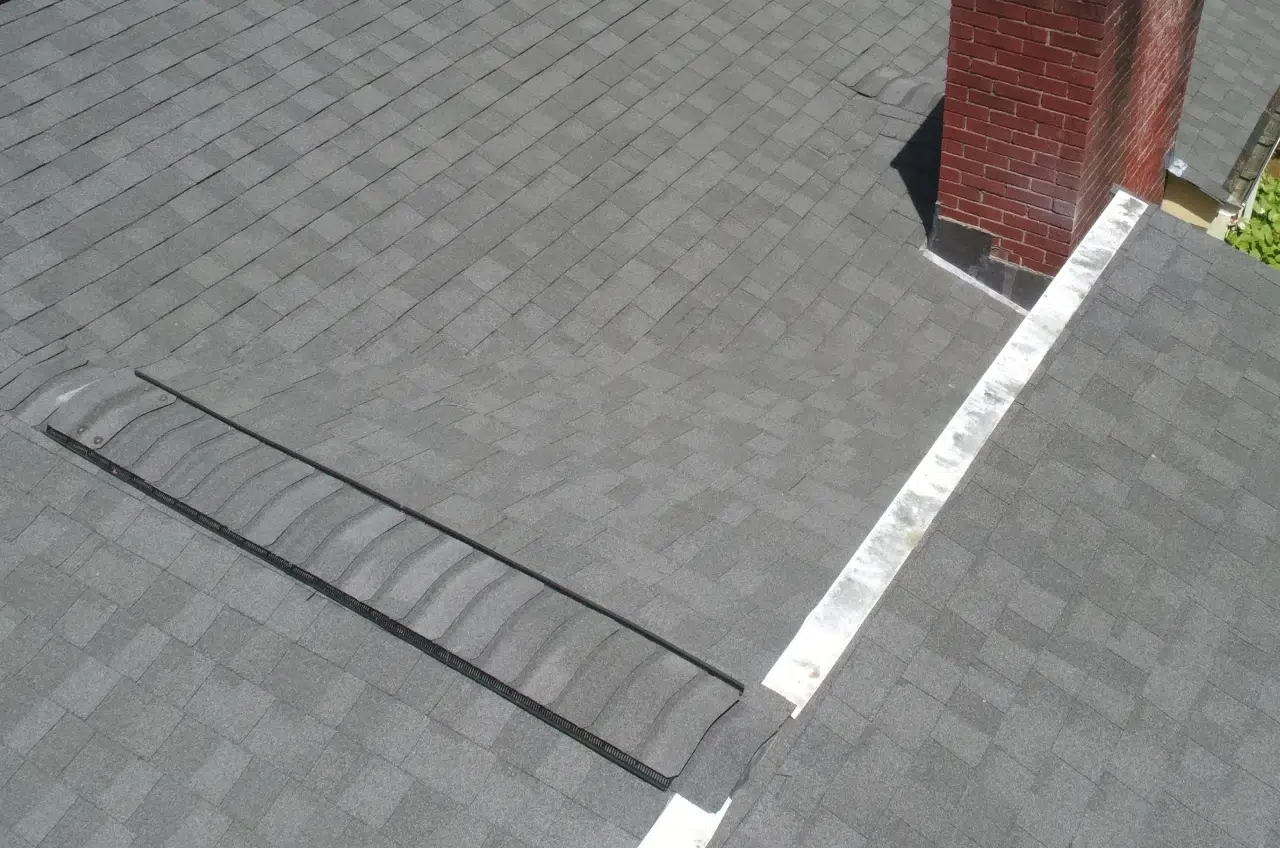
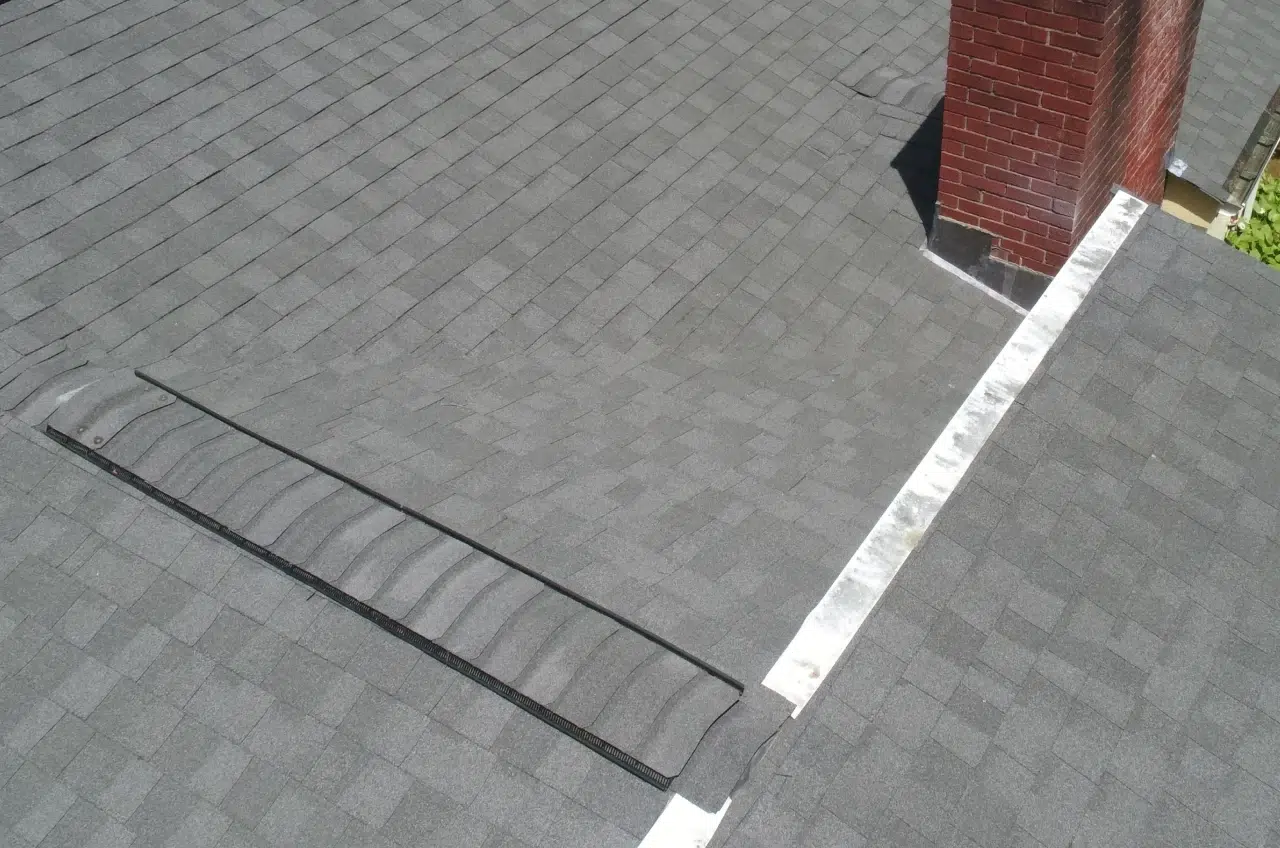
what is a cricket in roofing? Imagine a small, sloped structure built on your roof, designed to redirect water. That’s a cricket! It’s typically placed behind chimneys or other roof features. This little guy plays a big role in keeping your roof safe and dry.
Benefits of Roofing Cricket for Drainage
Having a cricket on your roof is like having a trusty sidekick for drainage. Here are some benefits:
- Reduces Water Pooling: Crickets help move water away from areas where it could gather.
- Prevents Leaks: By directing water away, they help stop leaks from forming.
- Extends Roof Life: Less water pooling means a longer-lasting roof.
How Crickets Help with Roof Water Runoff
Crickets are like the traffic cops of your roof. They guide water runoff, making sure it flows where it should. Here’s how they work:
| Function | Description |
| Redirect Water | Crickets slope water away from vulnerable areas. |
| Enhance Drainage | They create a path for water to flow smoothly. |
| Decrease Erosion | By guiding water, they help prevent soil erosion. |
In short, crickets are essential for keeping your roof in tip-top shape. They help manage water, which is crucial for the health of your home.
Designing a Cricket Structure in Roofing
When you think about roofing, you might not consider the
cricket structure. So,
what is a cricket in roofing? It’s a small, sloped section of a roof that helps divert water away from chimneys, vents, or other protrusions. This clever design keeps your roof safe from leaks and damage. Let’s dive into how to create an effective cricket structure that will serve you well.
Key Angles for Effective Cricket Installation
The angles you choose for your cricket are crucial. They help direct water flow and prevent pooling. Here are some key points to remember:
- Slope: Aim for a slope of at least 2:12. This means for every 12 inches of horizontal run, the cricket should rise at least 2 inches. A steeper slope can be even better.
- Direction: Always direct the cricket away from the structure it’s protecting. This way, water flows away instead of towards it.
- Height: The height of your cricket should be enough to create a solid slope but not so high that it looks out of place.
Materials Used in Roofing Cricket Design
Choosing the right materials is just as important as the angles. Here’s a quick list of materials you might consider:
| Material | Benefits |
| Wood | Easy to work with and shape. |
| Metal | Durable and weather-resistant. |
| Shingles | Matches existing roof materials. |
| Membrane | Provides excellent waterproofing. |
Each material has its own strengths, so pick what fits your needs best.
Tips for Building a Strong Cricket Structure
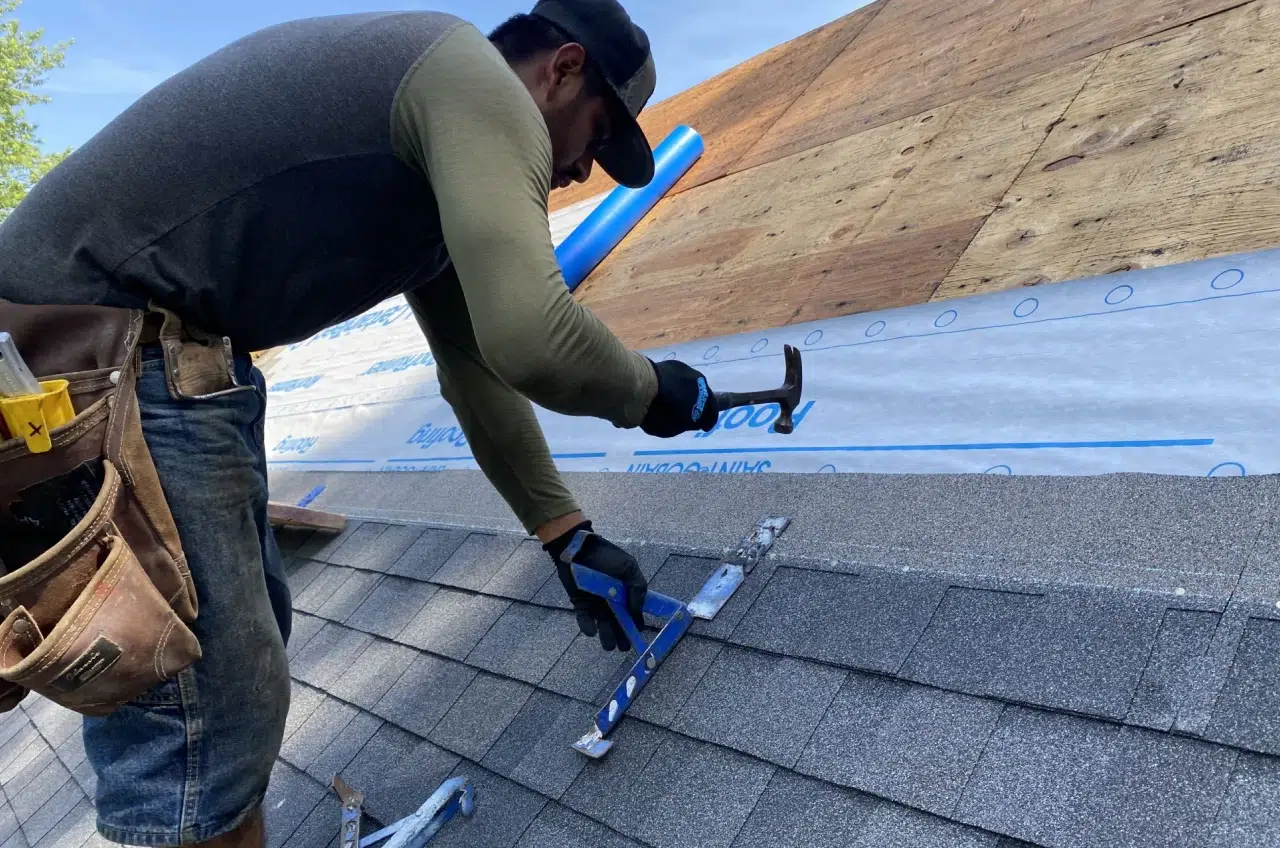
Building a cricket structure doesn’t have to be a headache. Here are some handy tips to help you out:
- Measure Twice, Cut Once: Always double-check your measurements before cutting. It saves time and materials.
- Use Quality Materials: Don’t skimp on materials. Investing in good quality can save you money in repairs later.
- Seal Properly: Make sure to seal all joints and seams. This prevents water from sneaking in.
- Consult a Professional: If you’re unsure, it’s okay to ask for help. A pro can guide you through the process.
By following these tips, you’ll set yourself up for success in your roofing project.

Maintaining Your Cricket in Roofing
Regular Checks for Roofing Cricket Integrity
Keeping an eye on your
roofing cricket is key to a solid roof. You might be wondering,
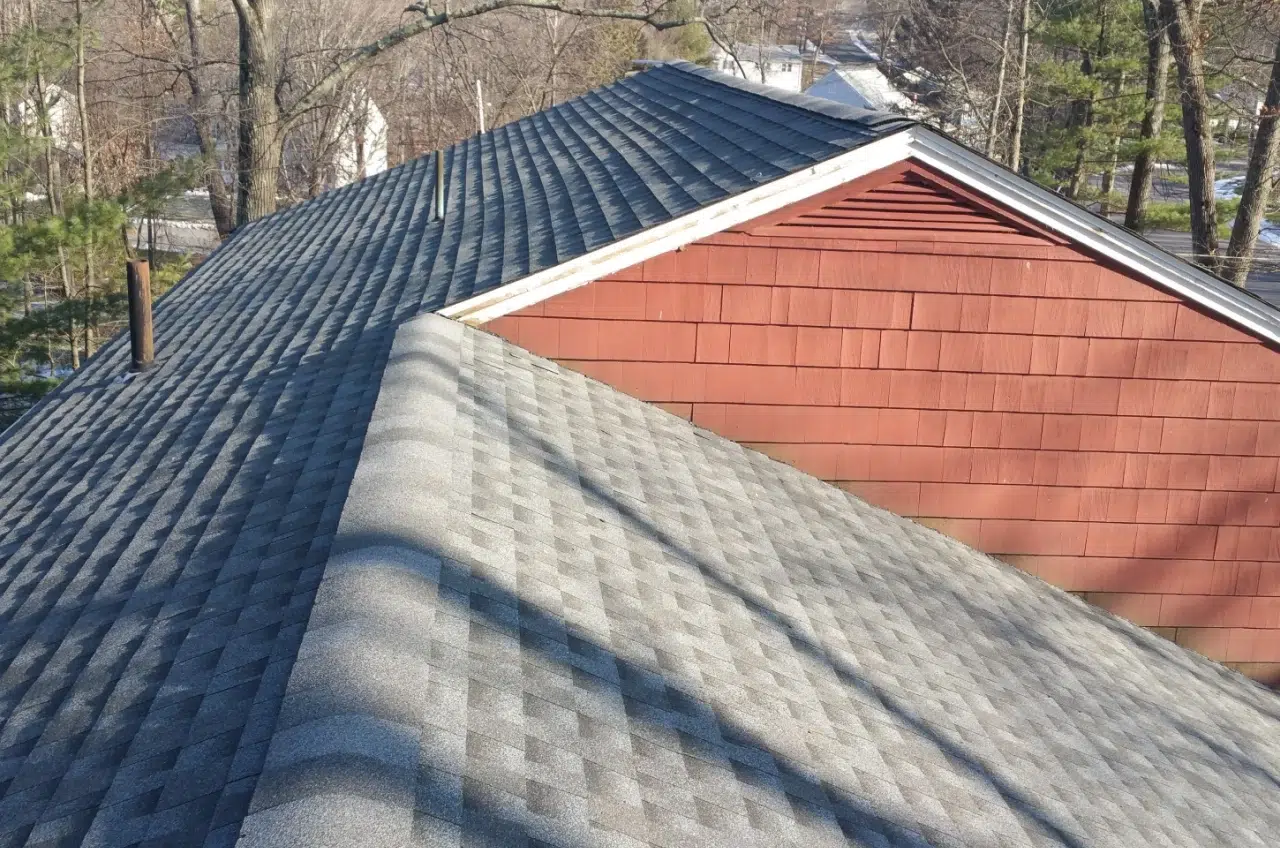
what is a cricket in roofing? Well, it’s a small, sloped structure designed to divert water away from your roof's peak. Just like you wouldn’t ignore a small crack in your car windshield, you shouldn’t overlook your cricket. Aim to check your cricket every few months. Look for signs of wear and tear, especially after heavy rain or snow. If you spot any debris, like leaves or twigs, clear it away. This helps prevent water from pooling, which can lead to bigger issues down the road.
Signs Your Cricket Needs Repair
You might not think about your cricket often, but it can show signs it needs some TLC. Here are a few red flags to watch for:
- Water pooling: If you notice water collecting around your cricket, it’s time to act.
- Cracks or gaps: Look closely for any cracks or gaps in the cricket’s structure.
- Damaged shingles: If the shingles near the cricket are curling or missing, that could spell trouble.
If you see any of these signs, don’t wait! Addressing these issues sooner rather than later can save you from costly repairs.
Best Practices for Cricket Maintenance
To keep your cricket in top shape, follow these best practices:
| Practice | Description |
| Routine Inspections | Check your cricket every few months for damage. |
| Clear Debris | Remove leaves, twigs, and other debris regularly. |
| Seal Cracks | Use roofing sealant to fill in any cracks you find. |
| Professional Help | If you’re unsure, call a roofing expert for a check-up. |
By following these simple steps, you can prolong the life of your cricket and protect your roof from serious damage.
Conclusion
In a nutshell, understanding
what a cricket in roofing is can make all the difference in maintaining a
healthy roof. This small yet mighty structure is your roof's best friend, guiding water away from chimneys and preventing leaks that could lead to costly repairs. By keeping an eye on your cricket and following the tips we've discussed, you can ensure it remains in
tip-top shape for years to come. So, whether you’re a DIY enthusiast or prefer to call in the pros, remember that a well-maintained cricket is key to a long-lasting roof. If you’re hungry for more insights on home improvement and roofing, don’t hesitate to check out more articles at
liderroofing.com. Your roof will thank you!
Frequently Asked Questions
What is a cricket in roofing?
A cricket in roofing is a small structure. It guides water around obstacles, like chimneys.
Why do I need a cricket in my roof?
You need a cricket to prevent water pooling. It helps keep your roof dry and damage-free.
Where is a cricket usually located?
A cricket is normally found near chimneys or wall intersections. It's usually built on the sloped side of a roof.
Can I install a cricket myself?
You can try to install a cricket yourself if you're handy. Just be sure to follow good practices for best results.
What materials are used for constructing a cricket?
Crickets can be made from wood or metal. They are often topped with roofing material to match your roof.