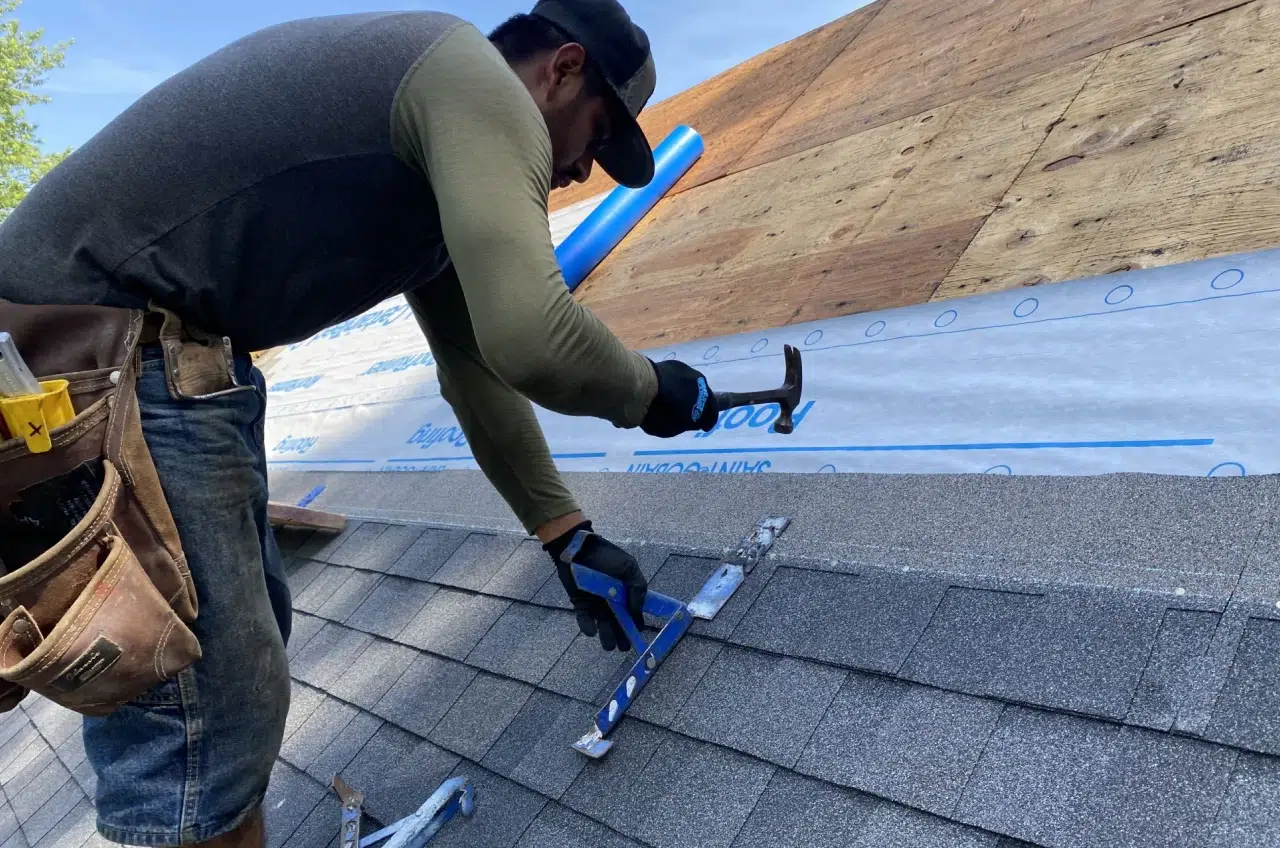
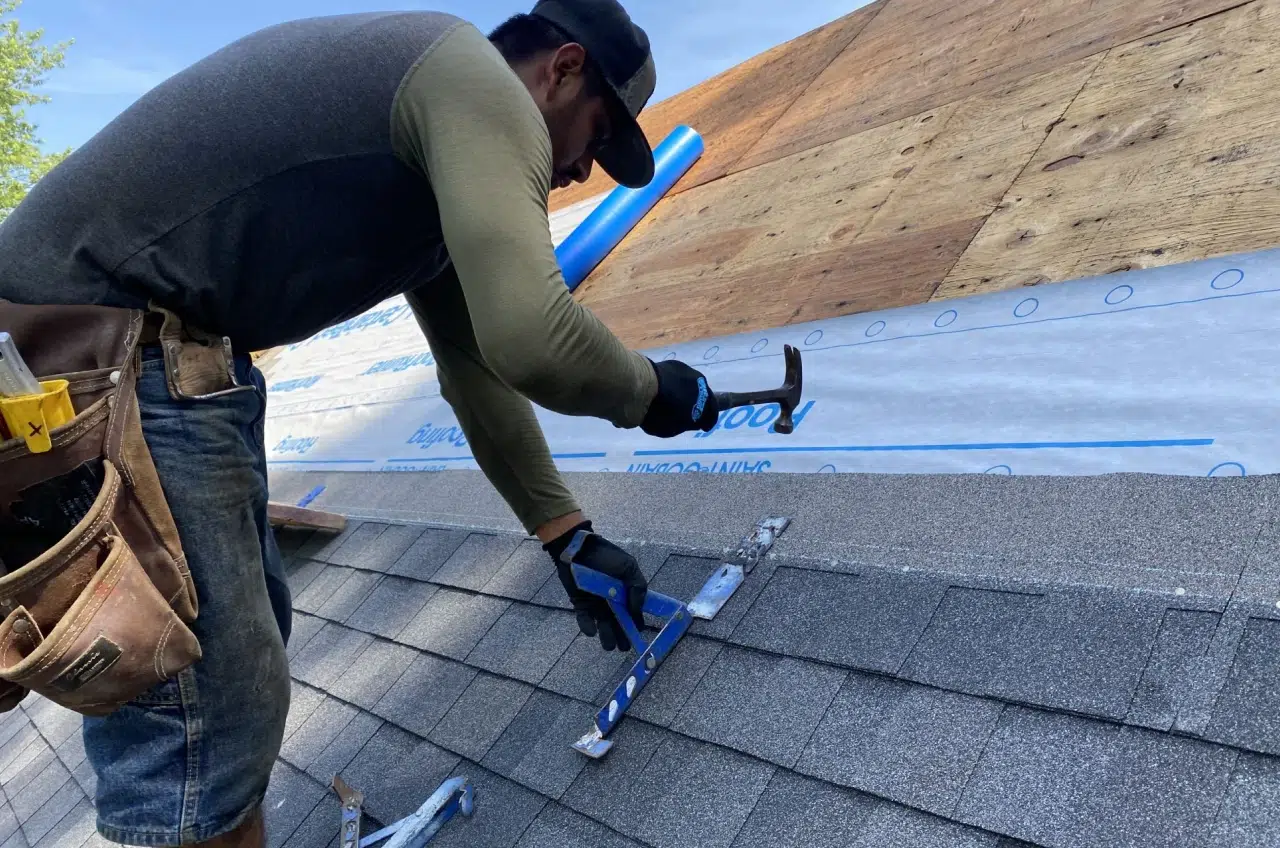
How often should a roof be replaced? If this question has crossed your mind, you’re not alone. In this article, we’ll break down the
lifespan of various roofing materials, show you the
key signs that it might be time for a new roof, and discuss how to
plan and
budget for a roof replacement. Get ready to learn how to keep your home safe and your roof in top shape!
Key Points to Remember
- Your roof lasts about 20 to 30 years.
- Check your roof for damage after bad weather.
- Look for missing or cracked shingles.
- Moisture and leaks can mean a roof replacement.
- Consult a pro if you're unsure about the condition.
Understanding Roof Lifespan and Replacement Frequency
Average Lifespan of Different Roofing Materials
When it comes to your roof, knowing
how long it should last is key. Different roofing materials have different lifespans. Here’s a quick rundown:
| Material | Average Lifespan |
| Asphalt Shingles | 15-30 years |
| Metal Roofing | 40-70 years |
| Wood Shingles | 20-25 years |
| Slate | 50-100 years |
| Tile | 50-100 years |
As you can see,
asphalt shingles are the most common, but they don’t last as long as metal or slate. If you’re looking for something that stands the test of time, metal or slate might be the way to go. For more insights on roofing materials, consider exploring this resource.
Factors That Affect How Often You Should Replace Your Roof
Several factors can impact your roof's lifespan. Here are a few to keep in mind:
- Climate: Harsh weather can wear your roof down faster. Heavy rain, snow, or extreme heat can take a toll.
- Maintenance: Regular check-ups and repairs can help extend your roof's life. Neglect can lead to bigger issues.
- Installation Quality: A well-installed roof can last longer. Poor installation can lead to early problems.
- Age: As your roof ages, it naturally becomes weaker and more prone to damage.
Taking care of your roof can help you avoid the question:
how often should a roof be replaced?
Key Signs You Need a New Roof
You might be wondering if it's time for a new roof. Here are some signs to look out for:
- Missing Shingles: If you see shingles missing, it's a red flag.
- Leaks: Water stains on your ceiling or walls can mean trouble.
- Granules in Gutters: If you find shingle granules in your gutters, your roofing material is wearing out.
- Sagging Roof: A sagging roof is a serious issue and often means you need a replacement.
If you notice any of these signs, it might be time to call in a professional for an inspection.
Recognizing When It's Time to Replace Your Roof
Common Warning Signs of Roof Damage
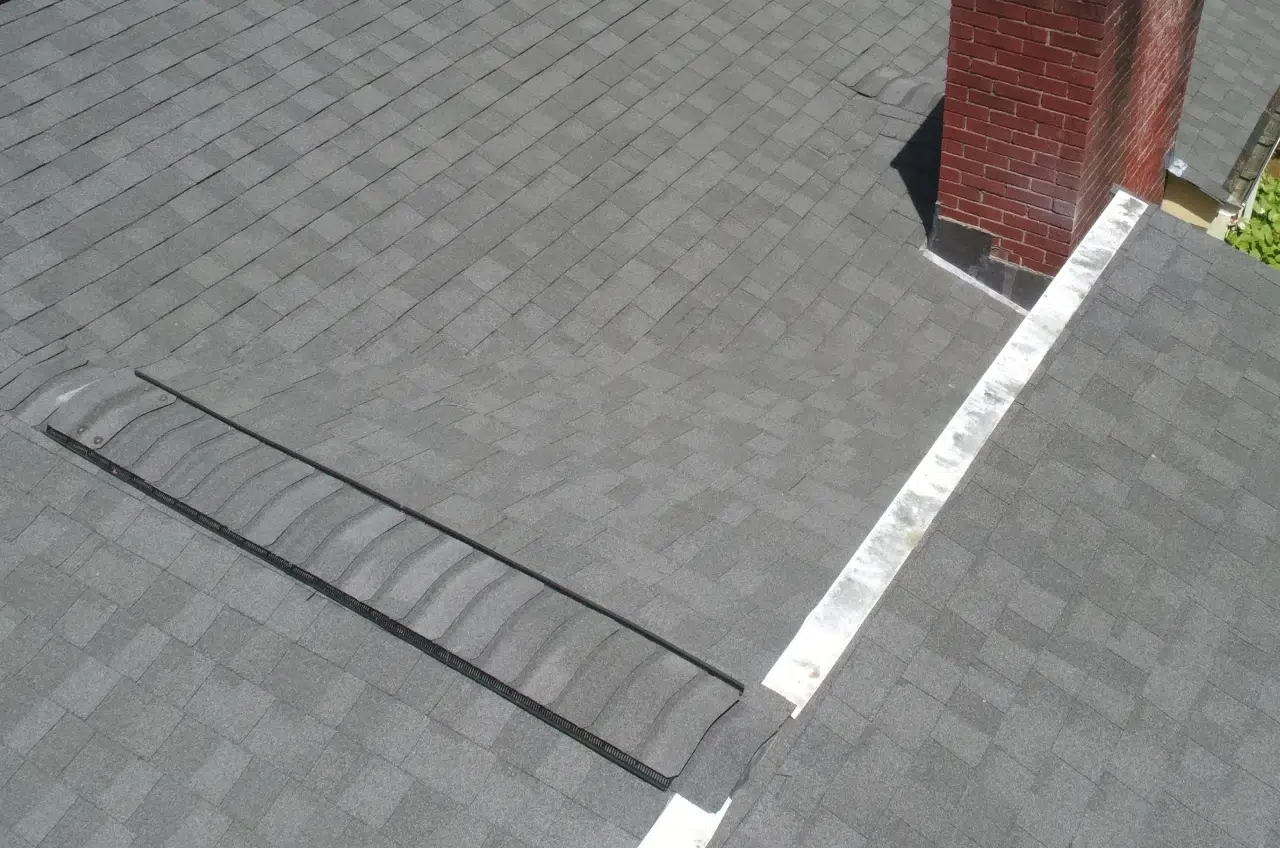
You might be wondering, "How do I know if my roof needs replacing?" Well, there are some
clear signs you should watch out for. Here are a few:
- Missing Shingles: If you see shingles missing or lying in your yard, it’s a big red flag.
- Curled or Buckled Shingles: Shingles that look like they're curling up or buckling are showing their age.
- Leaks: Water stains on your ceiling or walls? That’s a sure sign your roof might be in trouble.
- Granules in Gutters: If your gutters are filled with shingle granules, it means your roof shingles are wearing out.
- Moss or Algae Growth: While it may look pretty, moss or algae can damage your shingles.
How Often to Replace Roof Shingles Based on Age
So,
how often should a roof be replaced? It really depends on the material of your shingles. Here’s a quick table to give you a better idea:
| Shingle Type | Lifespan |
| Asphalt Shingles | 15-30 years |
| Wood Shingles | 20-25 years |
| Metal Roofing | 40-70 years |
| Slate Roofing | 50 years |
If your shingles are nearing the end of their lifespan, it might be time to start thinking about a replacement.

The Importance of Regular Roof Inspections
You might think that roof inspections are just an extra chore, but they’re actually crucial. Regular inspections can help you spot problems early, which can save you a lot of money in the long run. Think of it this way: catching a small leak today could stop a
big headache tomorrow. For more on maintaining your roof, check out this guide. By keeping an eye on your roof, you can make sure it stays in good shape and protects your home from the elements.
Planning Your Roof Replacement Timeline
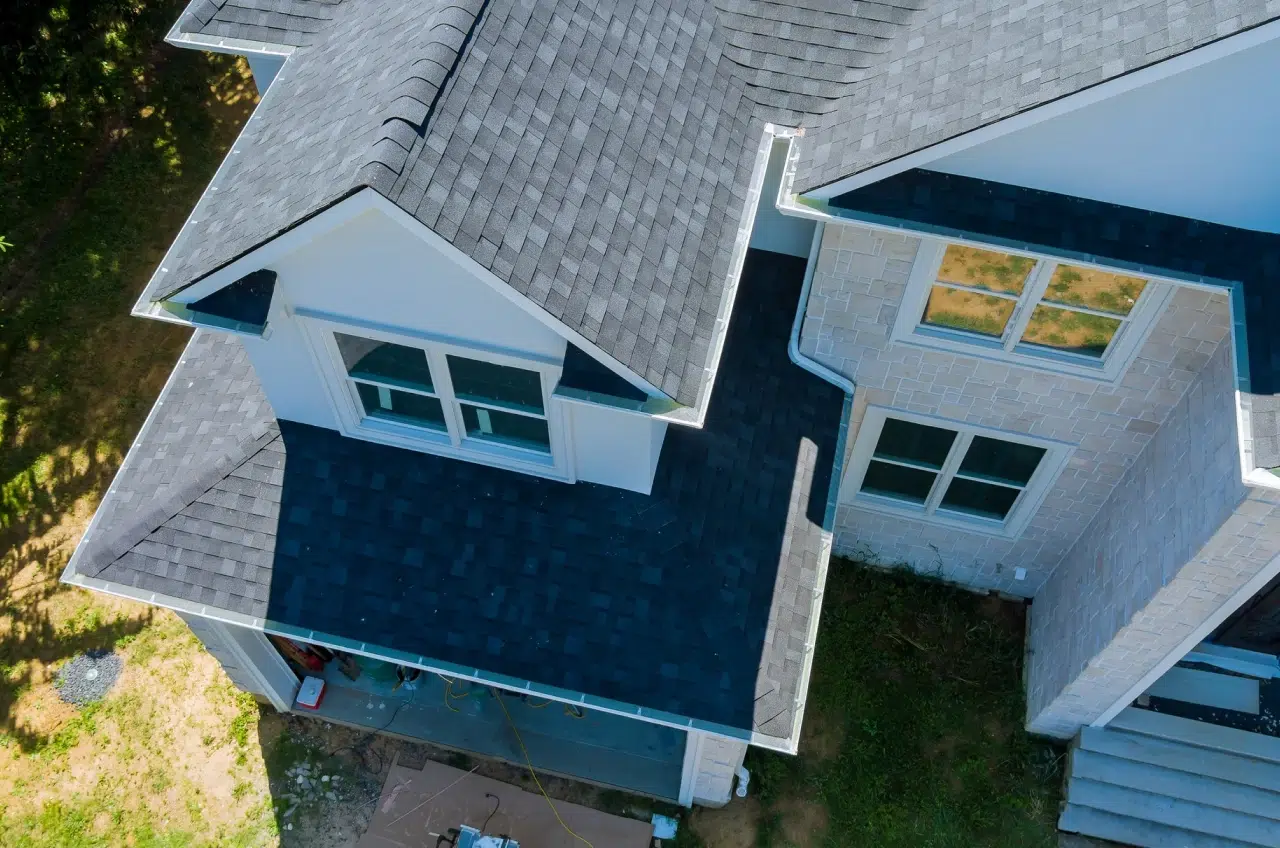
Creating a Roof Maintenance Schedule
Keeping your roof in shape is like giving your home a big hug. You want to make sure it’s safe and sound, right? Start by making a
roof maintenance schedule. Here’s a simple way to do it:
- Check your roof twice a year: Spring and fall are perfect times.
- Look for leaks or damage: Check for missing shingles or cracks.
- Clean gutters regularly: Clogged gutters can lead to serious issues.
- Trim overhanging branches: They can scratch and damage your roof.
By sticking to this schedule, you can catch problems early and save money down the road.
#image_title
Budgeting for Roof Replacement Costs
When you think about replacing your roof,
budgeting is key. Here’s a breakdown of what to consider:
| Cost Factor | Estimated Cost |
| Materials | $3,000 - $10,000 |
| Labor | $1,000 - $5,000 |
| Permits | $100 - $500 |
| Unexpected Repairs | $500 - $2,000 |
These numbers can vary based on where you live and the size of your roof. It’s smart to set aside a little extra for any surprises. Think of it as a safety net!
How to Choose the Right Time for Roof Replacement
Timing is everything! You might be wondering,
how often should a roof be replaced? Here are some tips to help you pick the right moment:
- Seasonal Considerations: Spring and fall are ideal. Avoid winter when it’s cold and icy.
- Weather Patterns: Check local weather trends. If storms are coming, it might be wise to replace your roof beforehand.
- Current Roof Condition: If you notice leaks or extensive wear, don’t wait too long.
Choosing the right time can save you a headache and keep your home cozy and dry.
Conclusion
So, there you have it! Understanding
how often your roof should be replaced is like having a trusty map in the wilderness of home maintenance. With the right knowledge, you can
spot the signs that it’s time for a change, and keep your home safe and sound. Remember, regular inspections and maintenance can go a long way in extending your roof's lifespan. When the time comes to replace your roof, don’t hesitate to
plan and budget wisely. It’s all about making informed choices to protect your investment. And hey, if you’re hungry for more insights and tips on home improvement, check out more articles at liderroofing.com. Your home deserves the best, and you’re just a click away from making that happen!
Frequently Asked Questions
How often should a roof be replaced?
Typically, roofs last around 20 to 25 years. If yours is nearing that age, it's time to think about replacement.
What signs indicate I need a new roof?
Look for missing shingles, leaks, or sagging spots. If you see these, it’s a sign you might need a new roof.
Does the type of roof affect how often it should be replaced?
Yes! Asphalt shingles last about 20 years, while metal roofs can last up to 50 years. Your roof type matters!
Can I get more life from my roof?
Regular maintenance helps. Keep it clean, check for damage, and fix problems quickly to extend its life.
Is replacing a roof a big job?
It can be, yes. But with the right team, it can go smoothly. Just make sure to plan carefully!