As the days grow shorter and the crisp autumn air settles in, homeowners in New England begin preparing for the inevitable—another harsh winter. While you may be stocking up on firewood and checking your furnace, there’s one area of your home that often gets overlooked: your windows. Are your old windows ready to handle the freezing temperatures and keep your home warm and cozy, or is it time to upgrade to energy-efficient windows?
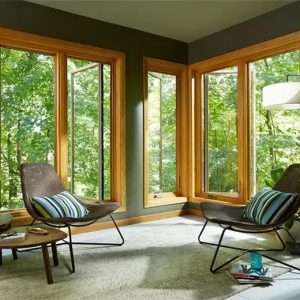 The Hidden Costs of Old Windows If your windows are more than 15-20 years old, chances are they’re no longer performing as well as they should. Drafts, condensation between panes, and difficulty opening or closing are telltale signs that your windows aren’t properly insulating your home. This can lead to higher energy bills, as your heating system works overtime to compensate for the heat escaping through those inefficient windows. According to Energy.gov, heat loss through windows accounts for 25% to 30% of residential heating energy use. Imagine cutting down that percentage significantly by simply upgrading to energy-efficient windows! How Energy-Efficient Windows Save You Money Modern energy-efficient windows are designed to minimize heat transfer, keeping the warmth inside during winter and the heat out during summer. Here’s how they work:
The Hidden Costs of Old Windows If your windows are more than 15-20 years old, chances are they’re no longer performing as well as they should. Drafts, condensation between panes, and difficulty opening or closing are telltale signs that your windows aren’t properly insulating your home. This can lead to higher energy bills, as your heating system works overtime to compensate for the heat escaping through those inefficient windows. According to Energy.gov, heat loss through windows accounts for 25% to 30% of residential heating energy use. Imagine cutting down that percentage significantly by simply upgrading to energy-efficient windows! How Energy-Efficient Windows Save You Money Modern energy-efficient windows are designed to minimize heat transfer, keeping the warmth inside during winter and the heat out during summer. Here’s how they work:
- Low-E Coatings: These windows are coated with a Low-Emissivity (Low-E) material that reflects heat back into your home, reducing the amount of heat that escapes.
- Double or Triple Glazing: More panes mean better insulation. Between each pane, inert gas like argon is used to minimize heat transfer and improve energy efficiency.
- Advanced Frame Materials: Newer window frames made from composite materials, fiberglass, or vinyl offer better insulation compared to traditional wood or aluminum frames.
- Energy Star Certification: Energy-efficient windows come with the Energy Star label, ensuring they meet strict performance standards for energy savings. Since Lider Roofing is an Energy Star partner, we install windows that guarantee long-term savings on your energy bills.
- Optimal Installation Weather: The mild fall weather allows for smooth installation without the interference of winter snow or summer heat.
- Immediate Energy Savings: Once your new energy-efficient windows are installed, you’ll start seeing reduced energy bills during the colder months.
- Increased Comfort: Energy-efficient windows eliminate drafts, creating a consistent and comfortable indoor temperature.
- Boosted Home Value: New windows not only reduce your energy bills but also increase your home’s resale value. Potential buyers are always looking for homes with modern, efficient features.
Ready to start?
Get a free estimate from the team that wrote this article.
Licensed & Insured · Serving MetroWest Massachusetts.